Mom, Flower, Mothers Day: A Designer’s Stitch Review
As a professional embroidery digitizer and product reviewer, I approach every new machine embroidery design with a critical eye. It is not enough for a graphic to look beautiful on a screen; it must translate flawlessly into thread, tension, and texture. When evaluating the "Mom, Flower, Mothers Day" asset, my primary focus is on its versatility as both a digital cutting file and a potential foundation for needlework. While the product description highlights compatibility with Cricut Design Space, Silhouette Studio, and Brother ScanNCut, experienced makers know that these vector-based Graphics often serve as the blueprint for mixed-media Crafts. For those of us in the craft business or running an Etsy shop, understanding how this floral typography translates from a digital cut file to a stitched reality is essential for creating high-value inventory.
First Impressions and Visual Personality
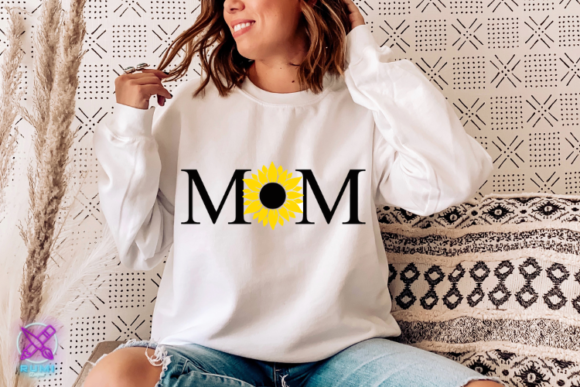
Upon opening the "Mom, Flower, Mothers Day" file, the immediate impression is one of organic warmth balanced with structural clarity. The integration of floral elements with maternal typography suggests a design that leans towards vintage botanical aesthetics rather than rigid, modern minimalism. For an Etsy seller or boutique owner, this visual personality is gold. It evokes nostalgia and tenderness, which are the primary emotional drivers for personalized gift purchases during the spring season. The layout appears balanced enough to serve as a central focal point without overwhelming the negative space, a crucial factor when planning sweatshirt embroidery or tote bag design placements. As a digital asset, the lines are clean, suggesting that if converted to stitches, the design would benefit from smooth satin stitch borders and open fill stitch areas to prevent fabric distortion.
Real-World Application: The Custom Tote Bag Test
To truly judge the viability of "Mom, Flower, Mothers Day," I mentally placed it into a real-life production scenario: creating a premium canvas tote bag for a Mother’s Day pop-up market. Totes are a staple handmade product, but they present unique challenges due to the coarse weave of canvas and the need for durability. In this context, the design’s floral intricacies require careful consideration. If utilizing this as an applique design, the flower shapes provide excellent coverage for the raw fabric edges, adding dimension and reducing total stitch count compared to a full-fill motif. This is vital for keeping the finished product soft and flexible rather than stiff and bulletproof.
For the lettering component, I would evaluate whether the font weight can support a dense satin stitch without causing puckering on the canvas. If the original vector lines are too thin, they may need to be bolstered in digitizing software before stitching. Conversely, if the flowers are intended as direct embroidery, I would opt for a light tatami or cross-stitch fill to maintain the breathable quality of the bag. This practical foresight ensures that the "Mom, Flower, Mothers Day" design results in a professional-grade item that customers trust, rather than a hobbyist experiment that falls apart after one wash. For commercial embroidery vendors, this level of adaptation is what separates best-sellers from returns.
Navigating Fabric Constraints and Hoop Limitations
While "Mom, Flower, Mothers Day" has broad appeal, it demands respect for material limitations. When working with stretchy knits for custom apparel like t-shirts or baby onesies, the design’s density becomes the enemy of comfort. I always advise testing stitch density on scrap fabric first. If the floral elements are too dense, they will create a heavy patch that drags down lightweight jersey cotton. In such cases, using the file as a guide for a lighter running stitch outline or a cut-felt appliqué is superior to direct high-density stitching. Furthermore, baby embroidery requires extra safety checks; ensure no loose threads or rough backing remain against sensitive skin.
Hoop size is another critical variable. Detailed florals often lose their definition when scaled down for 4x4 hoops. If you are targeting the small shop product market with budget-friendly items, verify that the "Mom, Flower, Mothers Day" design retains legibility at smaller scales. Tiny inner petals may turn into thread blobs if reduced excessively. On textured fabrics like terry cloth towels or fleece blankets, the design requires a water-soluble topping to prevent stitches from sinking into the pile. Without this step, even the most beautiful digital embroidery file will look amateurish. Always match your stabilizer choice to the specific garment weight; a tear-away might suffice for canvas, but a cut-away is non-negotiable for stretchy sweatshirts to prevent warping over time.
Commercial Viability and Brand Consistency
For creative entrepreneurs, "Mom, Flower, Mothers Day" represents more than just a seasonal graphic; it is a test of brand consistency. Does this style align with your existing catalog? If your shop specializes in edgy, modern streetwear, this traditional floral motif might feel disjointed unless stylized with contrasting thread colors or metallic accents. However, for sellers focused on cottagecore, farmhouse, or classic feminine aesthetics, this design is a natural fit. When listing on platforms like Etsy, your printable mockup should accurately reflect the texture of the stitch. Customers buy with their eyes, and misrepresenting a flat vinyl cut as a plush embroidered texture damages trust.
It is also imperative to distinguish between the digital cutting files provided and the requirements for machine embroidery. The product description confirms compatibility with cutting software, but it does not explicitly list PES, DST, or JEF formats. Before purchasing for commercial embroidery purposes, verify whether you are receiving a ready-to-stitch embroidery file or a vector graphic that requires digitizing. Many makers successfully use these cutting files to create precise fabric appliqués which are then secured with embroidery stitches, bridging the gap between digital crafting and needlework. Always confirm licensing terms regarding the sale of finished goods versus the resale of the digital assets themselves to protect your business integrity.
Essential Pre-Stitch Checklist for Makers
To ensure success with "Mom, Flower, Mothers Day" in any medium, adhere to this professional workflow:
- Verify File Formats: Confirm the download includes the specific embroidery format your machine requires, or plan time for digitizing/converting if only vector cut files are provided.
- Contrast Testing: Test thread colors against both light and dark fabric backgrounds. Floral details often disappear on similarly toned fabrics without adequate contrast or outlining.
- Density Audit: Review the stitch count relative to the fabric texture. Reduce density for knits and increase underlay for unstable weaves.
- Scale Validation: Print the design at actual size on paper before hooping. Visually inspect corner radii and text spacing to ensure they meet your quality standards for holiday embroidery.
- Wash Test: For items like tea towels or custom apparel destined for frequent laundering, stitch a sample and wash it aggressively to check for stabilizer failure or thread shrinkage.
- Licensing Review: Double-check permissions for using the design in design assets bundles or pre-made merchandise versus personal use.
Ultimately, "Mom, Flower, Mothers Day" offers a charming foundation for seasonal creation, provided it is treated with technical diligence. Whether you are producing an embroidered patch, a heartfelt holiday gift, or a line of boutique totes, the difference between a good design and a great product lies in your execution. By respecting the interplay between digital vectors and physical thread, you elevate your craft from simple manufacturing to true artistry, ensuring your customers receive a piece that honors the sentiment behind the stitch.