Baseball Heartbeat SVG: A Designer’s Stitch Review
As a professional embroidery digitizer and product reviewer, I approach every new graphic with a specific question: will this actually stitch out cleanly on fabric? When evaluating the Baseball Heartbeat SVG for real-world application, my focus shifts immediately from screen aesthetics to structural integrity. This design merges two distinct visual languages—the organic, rhythmic flow of an EKG line and the geometric precision of sports equipment. For crafters, Etsy sellers, and apparel decorators, this combination is a staple in the Crafts category, but its success as a finished product depends entirely on how well those vector lines translate into thread paths.
First Impressions and Visual Rhythm
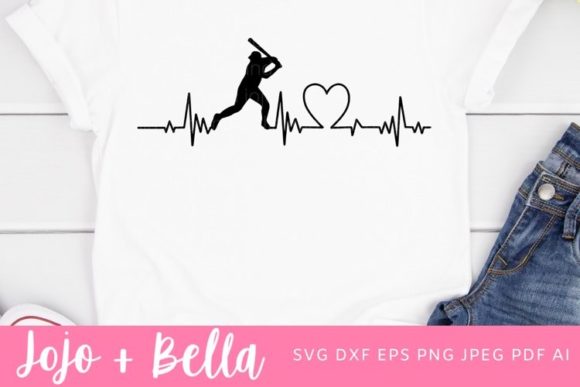
My initial assessment of the Baseball Heartbeat SVG reveals a design that carries significant emotional weight. The heartbeat motif universally signifies passion and life, while the baseball element anchors it to a specific niche. Visually, the layout suggests movement. Unlike static block letters or simple icons, this graphic has a horizontal cadence that guides the eye across the garment. For a machine embroidery design, this linear flow is advantageous because it allows for continuous stitching runs, potentially reducing jump stitches and trims during production.
However, the intersection points where the heartbeat line morphs into the baseball shape are critical. In digital Graphics, these transitions can be seamless. In embroidery, they represent potential density spikes. As a designer, I look for clean node placement in the source file. If the SVG is intended for vinyl cutting via Cricut, the layers must be welded properly. If adapted for needle and thread, those sharp angles in the EKG spike need to be softened slightly to prevent needle breaks or fabric perforation when using a satin stitch.
Real-World Application: The Custom Sweatshirt Test
To truly judge the viability of this Baseball Svg, I mentally place it in a high-demand scenario: a custom embroidered sweatshirt for a "Baseball Mom" or team fundraiser. This is perhaps the most common use case for this specific artwork. Sweatshirts typically feature fleece interiors and stable cotton-polyester exteriors, providing a decent canvas, but the texture can hide fine details.
In this scenario, the Baseball Heartbeat SVG serves as a centerpiece chest design or a smaller left-chest accent. If used as a large center chest piece, the horizontal span requires careful hooping. I have found that designs with wide aspect ratios can distort if the hoop size is too tight, causing registration issues at the edges. For a sweatshirt project, I would recommend testing the design on a scrap of similar fleece first. The goal is to ensure the heartbeat line remains crisp and doesn't sink into the fabric pile. Using a water-soluble topping stabilizer is non-negotiable here to keep the stitches sitting on top of the texture rather than disappearing into it.
From a commercial embroidery perspective, this design offers excellent versatility for small shop products. It works equally well on tote bags, where the flat weave of canvas showcases the running stitch details beautifully, or on caps, provided the design is resized to fit the limited vertical space of a hat frame. For Etsy sellers, offering this design in multiple sizes increases its value proposition, allowing customers to use the same artwork for adult apparel, baby embroidery onesies, and even keychain patches.
Navigating Fabric Limitations and Technical Constraints
While the Baseball Hitter Svg theme is popular, not all fabrics are created equal. I must advise caution when applying this design to performance wear or thin, stretchy knits. The heartbeat line often utilizes a dense satin stitch or a heavy fill stitch to create visibility. On lightweight polyester jersey, this density can cause puckering that no amount of steaming can fix. If you are creating custom apparel for athletes using moisture-wicking fabric, consider requesting or digitizing a lighter version of the file with reduced stitch density or utilizing a running stitch outline instead of solid fills.
Dark fabrics present another challenge. A white heartbeat on a navy shirt is classic, but if the design includes intricate internal detailing within the baseball element, that contrast might get lost. Always test thread colors against the actual garment material, not just a digital mockup. Furthermore, curved surfaces like caps require specialized consideration. The horizontal nature of the Baseball Heartbeat SVG can sometimes appear to droop on a curved brim. Adjusting the curvature in your embroidery software or selecting a cap-specific version of the file ensures the horizon line stays level visually.
I also urge makers to inspect tiny lettering or decorative accents often included in these bundles. If the text "Baseball Mom" is integrated into the heartbeat line, verify the font height. Anything under 4mm in satin stitch risks becoming illegible after washing. For baby clothes or items requiring frequent laundering, durability is paramount. Ensure the design does not have excessively long float stitches on the back, which can snag on little fingers or wash cycles.
Elevating Product Value and Brand Consistency
Beyond technical execution, the Baseball Heartbeat SVG impacts perceived value. In the handmade market, customers equate stitch quality with product worth. A clean, professional execution of this design signals to buyers that you understand your craft. When listing items online, your printable mockup should accurately reflect the stitch texture. Avoid using flat vector images to sell embroidered goods; show the actual thread sheen and dimension. This builds trust and reduces returns due to unmet expectations.
For digital product sellers and creative entrepreneurs, licensing is the invisible foundation of your business. Before selling finished products featuring this Baseball Svg, confirm whether your license covers commercial use for physical goods versus digital redistribution. Many designers allow unlimited physical sales but prohibit sharing the embroidery file itself. Clarifying this protects your shop and respects the original artist. Additionally, consistent use of themed graphics like this helps build brand recognition. If your boutique specializes in sports mom gear, this design becomes a cohesive thread connecting your inventory, making your shop feel curated rather than chaotic.
Essential Designer Notes for Success
Before you hoop your first garment or list your next digital asset, run through this practical checklist derived from years of production experience:
- Stabilizer Selection: Match your stabilizer to the fabric weight. Use cut-away for knits and tear-away for stable wovens. Never skip the test stitch-out.
- Density Check: Inspect the file in your embroidery software. If the Baseball Heartbeat SVG feels too stiff or bulletproof, reduce the density by 10-15% to improve drape and comfort.
- Contrast Testing: View the design in black and white before stitching. If the elements blend together without color, they will likely lack definition in monochromatic thread schemes.
- Hoop Size Verification: Always use the smallest hoop possible that still accommodates the design comfortably. Excess empty space in a large hoop invites shifting and misalignment.
- Licensing Audit: Double-check terms for both personal and commercial use. Document your license purchase for future reference, especially if scaling your craft business.
- Mockup Accuracy: Create realistic previews that show scale. A heartbeat design looks vastly different on a toddler tee versus an adult hoodie. Provide context for buyers.
The Baseball Heartbeat SVG is more than just a trendy graphic; it is a functional design asset that bridges the gap between digital art and tangible craftsmanship. Whether you are stitching a personalized gift for a coach, launching a new line of holiday embroidery, or expanding your digital catalog, treating this file with technical respect ensures the final result honors both the sport and the stitch. By understanding the interplay of line, density, and fabric, you transform a simple vector into a lasting, high-quality handmade product that resonates with customers and stands up to the rigors of real life.