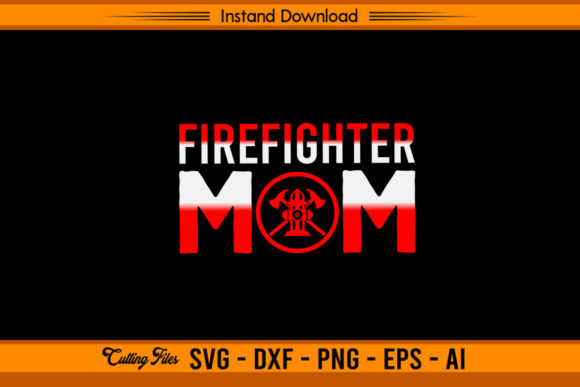
Firefighter Mom Badge SVG: A Designer's Stitch Review
When evaluating digital assets for physical production, there is often a disconnect between how a graphic looks on a screen and how it translates into thread. As a designer who specializes in both vector graphics and machine embroidery, I approach the Firefighter Mom Badge SVG Thin Red SVG with a critical eye toward manufacturability. This isn't just a digital download for vinyl cutters; for those of us in the embroidery and apparel decoration space, it represents a potential staple product for first responder families. My assessment focuses on whether this badge design holds up when converted from pixels to stitches, specifically for commercial and personalized projects.
Visual Weight and Emotional Resonance in Graphics
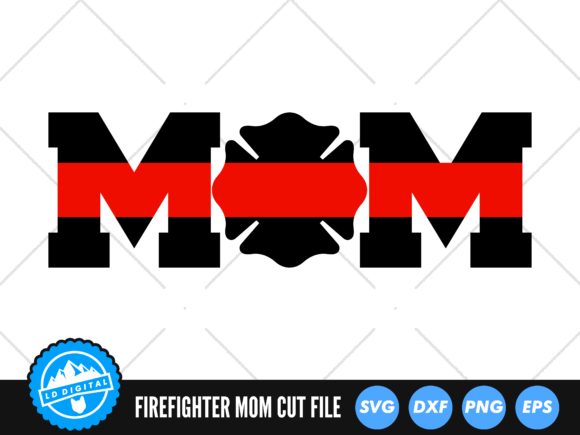
The first impression of this design is one of structured pride. Badge aesthetics rely heavily on symmetry, clear hierarchy, and authoritative lines. In the realm of Crafts and Graphics, firefighter themes are perennial sellers, but they can easily become cluttered. This specific Thin Red Line variation strikes a balance between commemoration and style. Visually, the badge shape provides a natural boundary that contains the design elements, which is excellent for placement on garments. The mood is respectful yet bold, making it suitable for adult apparel and accessories rather than juvenile items. For an Etsy seller or small shop owner, this visual clarity suggests a product that communicates its message instantly, a crucial factor for craft fair sales or thumbnail visibility in online listings.
Translating Vector Lines to Embroidery Reality
While this file is marketed as an SVG for Cricut and Silhouette machines, my review considers its viability as a base for a machine embroidery design. Vectors are ideal starting points for digitizing because they offer clean, scalable paths. However, a badge design presents unique challenges. The intricate details common in fire service insignia—such as axes, hydrants, or text ribbons—must be simplified for needle and thread.
If you are using this SVG to create a custom embroidered patch or direct-to-garment stitch-out, pay close attention to the line weight. On screen, a thin red line is crisp; in embroidery, that same line requires a minimum width to accommodate a satin stitch without tunneling or breaking threads. If the original vector lines are too slender, they will need to be expanded during the digitizing process. Conversely, if the badge features large solid areas, these will translate to fill stitch regions. High-quality digitizing here is non-negotiable. A poorly converted badge can look muddy or cause fabric puckering, especially on lighter materials. For a professional finish, the transition between the badge outline and internal details must be seamless, utilizing appropriate underlay to stabilize the fabric texture before the top stitching lays down.
Real-World Application: The Custom Sweatshirt Project
To truly judge this asset, I mentally placed it in a real-life scenario: creating a custom crewneck sweatshirt for a firefighter’s spouse as a holiday gift. Sweatshirt fleece is a forgiving but thick substrate. The Firefighter Mom Badge SVG Thin Red SVG works exceptionally well here because the badge format acts as a self-contained logo. Unlike sprawling script fonts that can get lost in the nap of the fleece, a badge creates a focal point on the left chest or center back.
In this application, the design serves as a high-value personalized gift. Customers buying for first responder families are often looking for items that acknowledge their sacrifice without being overly aggressive. This design fits that niche perfectly. From a business perspective, this versatility allows for multiple SKUs from a single asset. The same badge graphic used for the sweatshirt can be resized for a tote bag design, printed on a mug, or stitched onto a cap. For a creative entrepreneur, this consistency across products builds brand recognition and trust. When a customer sees the same high-quality badge motif on a printable mockup and then receives the finished embroidered product, the perceived value of your handmade business increases significantly.
Navigating Fabric Limitations and Hoop Constraints
Despite its versatility, this design requires careful consideration regarding substrate selection. Badge designs often have higher stitch density due to overlapping borders and detailed iconography. I would advise caution when applying this to thin, stretchy fabrics like performance t-shirts or baby onesies unless you use a heavy-duty stabilizer. The contrast between the dense badge and the lightweight knit can lead to distortion or "bulletproof" stiff spots that are uncomfortable against the skin.
For baby embroidery or delicate nursery decor, consider simplifying the design or reducing the size to lower the stitch count. Alternatively, use this SVG to create an applique design version where the main body of the badge is fabric, with only the outlines and key details stitched. This reduces density dramatically while maintaining the visual impact. Also, verify your hoop size capabilities before committing to a project. Badges can be deceptively tall; ensure your machine can handle the dimensions without requiring re-hooping, which introduces alignment risks. Always test on scrap fabric that matches your final project's weight and weave. What looks perfect in software may pull or gap on textured canvas or ribbed knits.
Commercial Viability and Professional Standards
For those running a craft business or selling on platforms like Etsy, this graphic offers strong commercial potential, provided you adhere to professional standards. First and foremost, confirm the licensing terms. Just because a file is available for purchase does not automatically grant rights to sell finished commercial embroidery products or digital derivatives. Protect your business by verifying you have the appropriate commercial license for both the SVG and any fonts included.
Furthermore, presentation matters. Use this SVG to create accurate printable mockups and digital previews. Since this is primarily a vector file, you can generate crisp marketing materials that show exactly how the badge should look. However, if selling embroidered goods, ensure your photos reflect the reality of thread texture. Customers appreciate transparency. Highlight the quality of the stitching, the color accuracy of the Thin Red Line, and the durability of the finished product. This builds buyer engagement and reduces returns caused by mismatched expectations.
Designer Notes for Optimal Results
Before loading this design into your production queue, run through this practical checklist:
- Contrast Check: Test the Thin Red Line element against various fabric colors. Ensure the red thread has sufficient contrast against both dark navy and white backgrounds to remain visible and impactful.
- Detail Inspection: Zoom in to 400% on the vector file. Are there gaps? Are lines thinner than 1mm? These will be problem areas in embroidery. Adjust vectors before digitizing.
- Stabilizer Strategy: Match stabilizer to fabric, not just design. A badge on denim needs different support than a badge on a tea towel. Cut-away stabilizer is generally safer for wearable apparel to prevent long-term distortion.
- Mockup Testing: Create black and white versions of the design to test value contrast. If the design reads well in grayscale, it will likely stitch well. Color can sometimes mask poor definition.
- Licensing Verification: Double-check if the license covers physical products, digital files, or both. Document this for your business records.
- Washability: Consider the end-use. If this is for a kitchen towel or apron that will see frequent washing, ensure satin stitches are secured properly and avoid metallic threads that may tarnish or fray over time.
The Firefighter Mom Badge SVG Thin Red SVG is a robust asset for makers who understand the translation from digital to physical. It carries the emotional weight necessary for this niche while offering the structural integrity needed for professional fabrication. Whether you are cutting vinyl for a quick decal or digitizing for a premium embroidered sweatshirt, treating this graphic with technical respect will yield products that honor the community they represent and satisfy the customers who cherish them. Always prioritize test stitches and material compatibility to ensure your handmade products stand the test of time and wear.