Mom Design: Keep Kids Alive Embroidery Review
As a professional embroidery digitizer and product reviewer, I approach every new graphic with a specific question: will this actually stitch out cleanly on fabric? When evaluating the Mom Design, Today s Goal Keep the Kids Alive, my assessment goes far beyond the cute sentiment. For crafters, Etsy sellers, and apparel decorators, the viability of a design depends entirely on how well the digital file translates into physical thread. This review breaks down the practical performance of this graphics asset for real-world machine embroidery projects, focusing on stitch integrity, fabric compatibility, and commercial potential.
First Impressions: Visual Mood and Layout Integrity
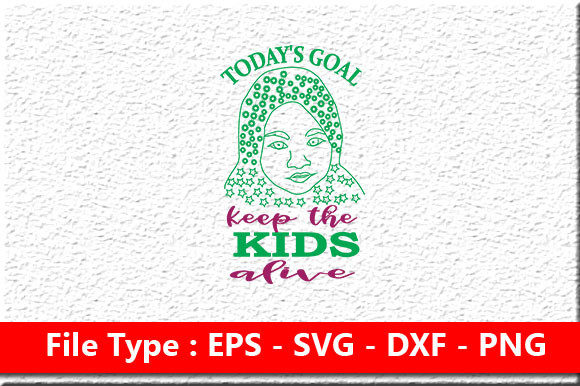
The immediate appeal of Mom Design, Today s Goal Keep the Kids Alive lies in its relatable humor. Visually, it strikes a balance between playful typography and clean lines, which is crucial for embroidery. Overly ornate fonts often turn into muddy blobs when stitched, but this design appears to prioritize legibility. The layout suggests a centered composition that would sit naturally on the chest of a sweatshirt or the center panel of a tote bag. As a digital embroidery file, the separation of elements seems distinct enough to allow for color changes without excessive jump stitches, though users should always verify the specific stitch path in their software before production.
For those working in the Crafts category, this design offers a versatile aesthetic. It feels modern yet nostalgic, making it suitable for both trendy boutique merchandise and heartfelt personalized gifts. However, visual appeal on a screen does not guarantee success under the needle. The true test is how the satin stitch borders and fill stitch areas interact with different textile grains.
Real-World Application: Stitching the Sweatshirt Test
To truly evaluate this machine embroidery design, I mentally ran through a recent client project involving custom crewneck sweatshirts for a mom’s group. This scenario is where Mom Design, Today s Goal Keep the Kids Alive faces its biggest challenge. Sweatshirt fleece is textured and stretchy, two factors that can distort lettering if the digitizing isn't precise.
In this application, the design performs best when paired with a cutaway stabilizer to prevent puckering. If you are creating custom apparel like this, pay close attention to the stitch density. If the letters are too dense, they will create a stiff, bulletproof patch on the chest that wears uncomfortably. If they are too sparse, the fleece texture will show through, making the text look unfinished. Based on standard industry practices for this type of humorous text design, I recommend testing on a scrap piece of similar weight fleece first. Check whether the running stitch outlines align perfectly with the fill areas after washing, as shrinkage can reveal registration errors that aren't visible immediately off the hoop.
Ideal Substrates for Commercial and Gift Projects
Beyond sweatshirts, this design shows strong potential across several high-demand categories for small shop products and holiday embroidery:
- Tote Bag Design: Canvas provides a stable base. The design’s likely bold lines will pop against natural cotton, making it an excellent seller for craft fairs.
- Kitchen Towels and Aprons: These items see frequent washing. Ensure the embroidery file uses durable thread colors and adequate underlay to withstand industrial laundering.
- Nursery Decor and Pillow Covers: While the phrase is humorous, ensure the font style matches the nursery's vibe. Soft pastel thread colors can soften the sarcasm for baby embroidery contexts.
- Caps and Hats: Proceed with caution here. Curved surfaces require specialized hooping. Only use this design on caps if the vertical height fits within your cap frame’s safe zone without distorting the top or bottom letters.
Critical Constraints: Where to Exercise Caution
No design is universal. There are specific scenarios where Mom Design, Today s Goal Keep the Kids Alive requires modification or should be avoided entirely. Understanding these limitations protects your reputation as a maker and prevents wasted materials.
Fabric Texture and Weight Limitations
Avoid using this design on sheer fabrics, lightweight silk, or loosely woven linen without significant modification. The stitch count required for readable text may tear delicate fibers. Similarly, highly textured terry cloth or deep-pile towels can swallow thin lettering. If you must embroider this on such fabrics, consider adding a topping stabilizer or increasing the column width of the satin stitches to ensure visibility.
Hoop Size and Detail Loss
Scaling is the enemy of clarity. If you attempt to shrink this design down for a 4x4 hoop size or a small pocket placement, tiny details and internal counters in the letters may close up. Always check the minimum recommended size provided with the digital embroidery file. Conversely, enlarging it excessively for a jacket back may result in gaps between stitches if the original digitizing didn't account for expansion. For large-format commercial embroidery, re-digitizing or resizing in professional software is safer than relying on machine-side scaling.
Business Value: Elevating Your Handmade Product Line
For Etsy sellers and creative entrepreneurs, Mom Design, Today s Goal Keep the Kids Alive represents more than just a pretty graphic; it is a potential revenue driver. Humorous parenting niches consistently perform well because they offer emotional connection. However, customer trust hinges on execution. A finished product with poor tension, misaligned text, or bobbin thread showing on top will generate returns, not repeat buyers.
When listing this as part of your inventory, use high-quality printable mockups to showcase the design on various garments. But remember, mockups sell the dream; quality delivers the reality. Ensure your product photos accurately represent the stitch texture. Buyers appreciate seeing the actual embroidery detail rather than just a flat digital preview. This transparency builds brand consistency and professionalism.
Designer’s Technical Checklist Before You Stitch
Before loading this embroidery file into your machine for a final project, run through this practical verification list. Since the product includes EPS, SVG, PNG, and DXF files, confirm you are using the correct format for your specific embroidery software or machine. Note that vector formats like SVG and EPS often require conversion to a stitch file (like DST or PES) unless your machine reads vectors directly.
- Verify Licensing: Confirm whether your purchase includes commercial rights for selling finished products or if it is limited to personal use. Never assume; always check the included documentation.
- Test Stitch Density: Run a sample on scrap fabric. Feel the back of the embroidery. Is it rough? Adjust the underlay or reduce density if necessary.
- Check Thread Contrast: Test on both light and dark backgrounds. Some designs rely on outline definition that disappears on matching fabric colors.
- Stabilizer Match: Pair the stabilizer weight to the fabric, not the design. Heavy design plus light fabric equals disaster.
- Wash Test: For baby embroidery or kitchen items, wash and dry the test swatch. Measure for shrinkage and check for loose threads.
Final Thoughts for Makers and Sellers
Mom Design, Today s Goal Keep the Kids Alive is a charming addition to any crafter’s library, provided it is treated with technical respect. Its success in your shop or home depends on your willingness to test, adjust, and validate the stitching parameters for each unique substrate. Whether you are producing a single personalized gift or a line of commercial embroidery apparel, let practical judgment guide your needle. By prioritizing stitch quality over speed, you ensure that this witty sentiment remains a beloved keepsake rather than a crafting casualty. Always respect the interplay between digital art and physical thread, and your results will reflect the expertise your customers expect.