If Fishing Were Easy: An Embroidery Design Review
As a professional embroidery digitizer and product reviewer, I approach every new graphic with a specific question: will this actually stitch out well, or is it just a pretty screen image? When evaluating If Fishing Were Easy It Would Be Called, my immediate focus is on the transition from a digital cut file to a tangible machine embroidery design. This phrase carries a distinct mood—humorous, slightly sarcastic, and deeply relatable to the angling community. However, humor in embroidery relies entirely on legibility and timing. If the text is too dense or the layout fights the fabric grain, the joke gets lost in a nest of thread breaks.
This review treats the source graphic not merely as an SVG for vinyl, but as a blueprint for needlework. For Etsy sellers, craft business owners, and hobbyists, understanding how this specific phrase translates to thread is the difference between a best-selling custom apparel item and a shop return.
Translating Typography from Screen to Stitch
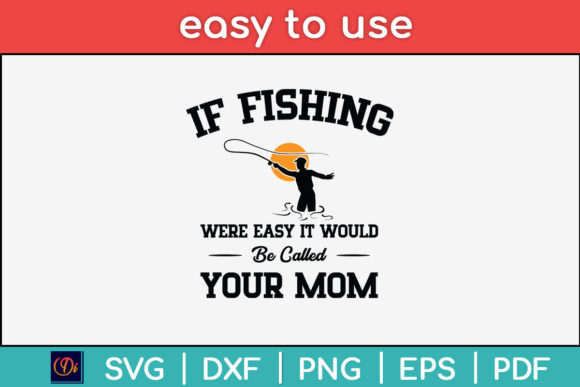
The first impression of If Fishing Were Easy It Would Be Called is typographic. In the Graphics category, fonts are often chosen for screen readability or cutting ease. In embroidery, we must evaluate them for stitch integrity. Before loading this into your software, you must determine if the font style supports a clean satin stitch or requires a fill stitch.
If the original design uses a distressed or grunge font, caution is required. While trendy in print, distressed textures can cause excessive needle penetrations and thread breaks when digitized poorly. For a sweatshirt embroidery project, I recommend smoothing out rough edges in the digitizing software to create a more defined column width. Conversely, if the design features a bold, slab-serif typeface, it is naturally suited for embroidery. The visual weight suggests confidence, which pairs perfectly with the sassy nature of the quote. Always verify that the letter height meets the minimum requirements for your chosen hoop size; text smaller than 0.25 inches often becomes illegible once stitched, regardless of how crisp the vector file looks.
Real-World Application: The Canvas Tote Bag Test
To truly judge the viability of If Fishing Were Easy It Would Be Called, I mentally place it on a high-use item: a heavy-duty canvas tote bag design. This is a staple handmade product for fishing enthusiasts who need gear transport. Canvas provides a stable base, but its coarse weave can swallow fine details.
In this scenario, the design needs to be bold. A delicate script would disappear against the fabric texture. I envision this phrase centered on the bag in a high-contrast thread color, perhaps navy blue or forest green on natural canvas. Because tote bags endure significant wear, the stitch density must be balanced. Too dense, and the canvas puckers; too sparse, and the fabric shows through the letters. Using a tear-away stabilizer combined with a light spray adhesive is essential here to prevent shifting during the stitching of long text lines. This real-life application highlights that If Fishing Were Easy It Would Be Called works best when treated as a statement piece rather than a subtle accent.
Navigating Fabric Limitations and Hoop Constraints
While the phrase is versatile, certain applications require careful planning. Here is where you should exercise caution:
- Stretchy Performance Wear: Many anglers prefer moisture-wicking shirts. These fabrics are unstable. If you plan to use this design on performance gear, you must use a cut-away stabilizer and potentially a topping to prevent the stitches from sinking. The humor of If Fishing Were Easy It Would Be Called falls flat if the shirt distorts around the embroidery.
- Caps and Curved Surfaces: This phrase is likely too long for a standard cap front unless significantly condensed or arched. Digitizing for caps requires specialized underlay to maintain shape. Always test on a scrap cap before committing to a production run.
- Dark Fabrics: If stitching on black or dark denim, ensure your digitizing includes adequate underlay to prevent the fabric color from bleeding through lighter threads. Contrast is king for readability.
- Small Hoop Sizes: If you are limited to a 4x4 hoop, you may need to split the design or reduce the text size. Check the final dimensions against your machine’s capabilities before purchasing or digitizing.
Commercial Viability and Customer Perception
For those running a small shop product line or selling at craft fairs, If Fishing Were Easy It Would Be Called offers strong commercial potential because it targets a passionate niche. However, professionalism dictates quality. A finished product with poor registration or bobbin thread showing on top devalues the brand. Customers trust makers who understand their materials.
When creating printable mockups or listing photos for digital marketplaces, avoid using generic clip art. Show the design on actual textured backgrounds that mimic embroidery. This manages buyer expectations. If you are selling the digital embroidery file itself, clearly state the tested fabrics and recommended stabilizers in your description. Transparency builds authority. Furthermore, always confirm licensing. Just because a file is compatible with Cricut or Silhouette does not automatically grant commercial embroidery rights. Verify that you can legally sell personalized gift items or commercial embroidery products featuring this specific phrasing.
Essential Designer Notes for Success
Before you begin stitching If Fishing Were Easy It Would Be Called, adhere to these professional protocols:
- Test Stitch First: Never run a new design directly onto a sellable item. Use scrap fabric of similar weight and weave to check tension and clarity.
- Check Thread Contrast: View your thread selection in natural light. What looks good on a monitor may lack definition in physical form.
- Review Stitch Density: Ensure the density matches the fabric. Fleece requires different settings than cotton twill.
- Inspect Small Details: If the design includes any icons (like a hook or fish), ensure they are large enough to retain detail after stitching.
- Validate Licensing: Confirm whether the source file allows for the sale of finished goods or digital derivatives.
Final Verdict on Design Utility
If Fishing Were Easy It Would Be Called is more than just a witty saying; it is a test of technical execution. As a machine embroidery design, it demands respect for typography and substrate interaction. When executed correctly on appropriate items like aprons, kitchen towels, or sturdy outerwear, it delivers high engagement and customer satisfaction. The key lies in adapting the vector aesthetic to the tactile reality of thread. By prioritizing legibility, proper stabilization, and fabric compatibility, makers can transform this popular phrase into a profitable and professional embroidery project that resonates authentically with the fishing community.