You Don't Have to Worry About My Pitbull: A Design Review
As an embroidery digitizer and product reviewer, I approach every new graphic with a specific question: will this actually stitch out cleanly on fabric? When evaluating You Don t Have to Worry About My Pitbull, my focus shifts immediately from the digital screen to the hoop. This design falls squarely into the popular niche of dog mom apparel and personalized gifts, but popularity does not always equal production viability. After reviewing the assets included in this zip file—SVG, DXF, PNG, and EPS formats—I have assessed how this graphic translates from a digital craft asset to a tangible embroidered patch or sweatshirt.
First Impressions and Visual Hierarchy
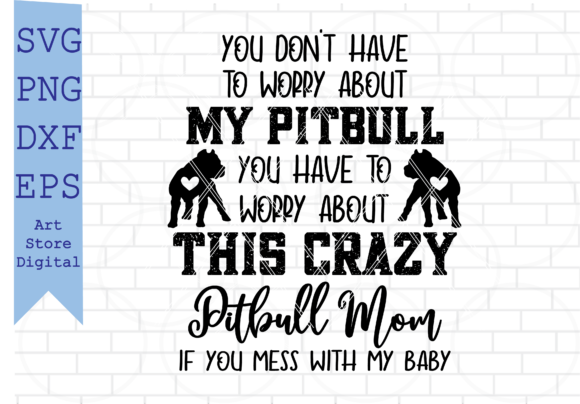
The mood of You Don t Have to Worry About My Pitbull is protective yet humorous, striking that specific balance that sells well in the pet lover community. Visually, the layout relies heavily on typography interacting with iconography. For an embroidery designer, this interaction is critical. The phrase "You Have To Worry About This Crazy Pitbull Mom" suggests a multi-line text arrangement. In graphics, text can be scaled infinitely without consequence. In machine embroidery, however, letter height dictates legibility.
My initial assessment indicates this design has strong potential for bold statement pieces rather than subtle accents. The visual personality is assertive, which means the stitch types must match that energy. Delicate running stitches might get lost here; this artwork calls for confident satin stitch borders or dense fill stitch areas to carry the weight of the message. As a digital embroidery file, the vector lines appear clean, but the true test lies in how those vectors convert to stitch commands when applied to textured fabrics like fleece or canvas.
Real-World Application: The Tote Bag Test
To properly evaluate this design, I mentally placed it onto a heavy-duty canvas tote bag project intended for a local craft fair. Tote bags are a staple handmade product for Etsy sellers because they offer a flat, stable surface ideal for testing new designs. For this specific scenario, I envisioned centering You Don t Have to Worry About My Pitbull on the front panel using high-contrast thread colors against natural unbleached canvas.
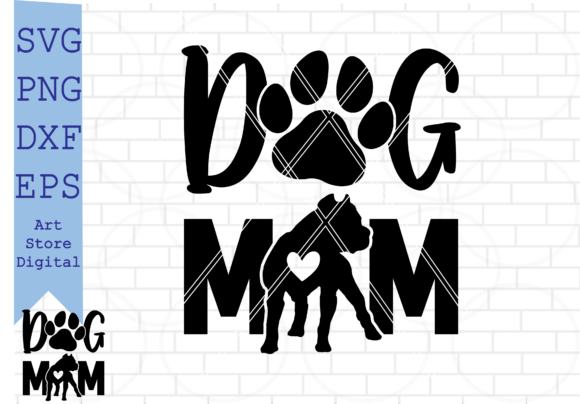
In this real-life application, the design serves as the primary focal point. Because tote bags endure significant wear and tear, the stitch density becomes a major factor. If the embroidery file uses too light a density, the rough texture of the canvas will show through the stitches after washing, degrading the perceived value of the finished product. Conversely, if the density is too high, the fabric may pucker or become bulletproof stiff. Based on the complexity of the phrase and likely accompanying pitbull silhouette, I would recommend testing this as an applique design or ensuring adequate underlay stitching to stabilize the canvas before laying down top threads. This approach maintains the structural integrity of the bag while keeping the design crisp.
Performance Across Apparel and Accessories
Beyond tote bags, this design targets the custom apparel market. Sweatshirt embroidery is perhaps the most logical home for this graphic. Fleece and French terry fabrics are forgiving and pair naturally with the cozy, relatable "dog mom" aesthetic. However, the pile of fleece can swallow fine details. When using You Don t Have to Worry About My Pitbull on hoodies or crewnecks, verify that the smallest text elements remain above 4mm in height post-digitizing. Anything smaller risks becoming illegible once the fabric relaxes.
For smaller items like caps or embroidered patches, caution is necessary. Caps present a curved surface that distorts horizontal text lines. Unless the embroidery file has been specifically digitized for cap compensation, you may need to adjust the spacing manually. Similarly, if creating iron-on patches, ensure the border stitch is robust enough to prevent fraying during cutting. Baby embroidery requires entirely different safety considerations; if adapting this for infant items, avoid long satin stitches that could snag tiny fingers, and ensure all jump stitches are trimmed meticulously.
Critical Considerations for Fabric and Stabilizer
Not all substrates treat this design equally. While You Don t Have to Worry About My Pitbull shines on stable cottons and fleeces, stretchy performance fabrics pose challenges. Knit t-shirts require cut-away stabilizer to prevent tunneling between text lines. Without proper support, the phrase "Crazy Pitbull Mom" could distort, making the shirt look unprofessional and unwearable.
Dark fabrics introduce another variable. If the provided PNG or SVG lacks a white underlay layer in the digitized version, dark garments will require additional color stops to create a base. Skipping this step on black or navy sweatshirts results in muddy colors where the fabric shows through lighter thread shades. Always run a black-and-white mockup test before committing expensive thread and garments to the hoop. This simple step reveals contrast issues that color previews often miss.
Commercial Viability and Business Value
For small shop owners and creative entrepreneurs, time is money. A design that requires extensive editing reduces profit margins. The inclusion of multiple file formats (SVG, DXF, EPS) in this package suggests versatility, but remember that these are primarily vector graphics formats. They serve as excellent bases for printable mockups or sublimation, but they are not native machine embroidery files unless explicitly converted. Before listing any finished product derived from You Don t Have to Worry About My Pitbull, confirm you possess the actual digitized embroidery file compatible with your machine brand.
From a branding perspective, this design offers strong recognition potential. Pet niches rely on emotional connection. A well-executed stitch-out builds customer trust far more effectively than a digital rendering. When photographing your finished products for Etsy listings, show the texture of the stitches. Buyers want to see that the "Pitbull Mom" text isn't just printed on—it's crafted. This distinction justifies premium pricing for handmade goods over mass-produced alternatives.
Designer Notes for Successful Execution
Before launching this design into production, adhere to these practical checkpoints:
- Verify Licensing: Confirm whether the license permits commercial use of finished physical products versus digital redistribution. These terms differ significantly.
- Test Stitch Density: Run a sample on scrap fabric matching your final project weight. Check for puckering, registration errors between text and graphics, and overall coverage.
- Hoop Size Confirmation: Measure the actual dimensions of the digitized design. Ensure it fits your hoop with adequate margin for stabilization clamps.
- Thread Color Contrast: Test on both light and dark backgrounds. Adjust underlay settings if switching between garment colors.
- Stabilizer Selection: Match stabilizer weight to fabric stretch. Use tear-away for wovens, cut-away for knits, and water-soluble toppings for high-pile fabrics like towels.
- Detail Inspection: Zoom in on corners and curves in your embroidery software. Sharp angles often cause thread breaks or bird-nesting if not properly optimized.
Ultimately, You Don t Have to Worry About My Pitbull represents a solid opportunity for makers serving the pet parent demographic. Its success depends entirely on thoughtful execution. Treat it not as a plug-and-play solution, but as a design asset requiring professional judgment regarding fabric choice, stabilization, and digitizing parameters. When executed with care, it transforms from a simple graphic into a cherished personalized gift or best-selling boutique item that resonates authentically with its audience.