Small Business Owner: An Embroidery Design Review
As a professional embroidery designer and product reviewer, I approach every new digital asset with a critical eye. When evaluating the Small Business Owner design pack, my primary concern is not just how the graphic looks on a screen, but how it translates into thread on fabric. For those of us running a craft business or creating merchandise for an Etsy shop, the difference between a pretty JPEG and a functional machine embroidery design can determine whether a finished product sells or sits in inventory. This review breaks down the practical application of this graphics pack for real-world embroidery projects, focusing on usability, aesthetic value, and production viability.
First Impressions and Visual Personality
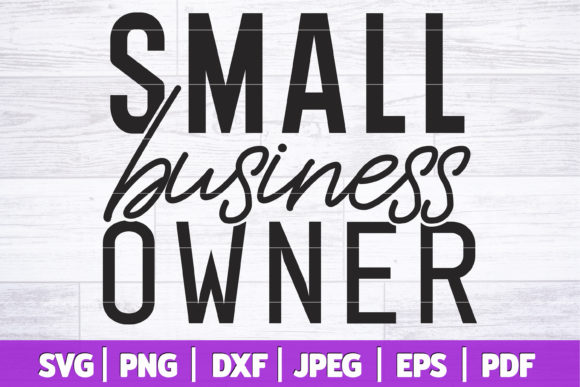
Upon opening the Small Business Owner pack, the immediate impression is one of clean, entrepreneurial spirit. The visual personality strikes a balance between professional authority and handmade warmth, which is exactly what modern makers need. In the realm of Crafts and Graphics, designs often lean too far toward corporate sterility or chaotic whimsy; this design appears to sit comfortably in the middle. The layout suggests a structured composition that will likely digitize well, avoiding the cluttered look that causes registration issues during stitching.
The inclusion of multiple file formats—SVG, EPS, PNG, JPEG, DXF, and PDF—is a significant advantage for hybrid creators. While SVG and DXF are essential for cutting machines or specialized embroidery software conversion, the high-resolution PNG and JPEG files serve as excellent references for color matching and printable mockups. As a reviewer, I appreciate having the PDF for quick visual verification before committing to the digitizing process. This versatility signals that the creator understands the workflow of a small shop owner who manages both digital listings and physical production.
Real-World Application: The Custom Tote Bag Test
To truly evaluate this design, I mentally placed it in a specific production scenario: creating a branded canvas tote bag for a local market vendor. This is a classic use case for the Small Business Owner theme. Canvas is a forgiving fabric, but it has texture that can swallow fine details. In this context, the design’s bold shapes would perform admirably. If utilizing an applique design technique, the SVG file could be used to cut precise fabric pieces, reducing stitch count and adding tactile interest that customers love.
For sweatshirt embroidery, the considerations shift. Fleece and French terry fabrics have pile that pushes stitches down. Here, the Small Business Owner graphic would require careful attention to underlay. A sturdy fill stitch foundation is necessary to prevent the design from sinking into the fabric. Conversely, if applying this to a lightweight baby embroidery project or a delicate tea towel, the density must be reduced to prevent puckering. The design’s inherent structure lends itself well to these adjustments, provided the digitizer respects the fabric's limitations. It feels like a versatile asset that can anchor a boutique branding collection without overwhelming the garment.
Navigating Fabric Constraints and Hoop Sizes
No embroidery file is universally perfect, and knowing where to exercise caution is part of professional judgment. When using the Small Business Owner assets, I advise testing on stretchy fabrics first. Knits and performance wear demand a stabilizer strategy that supports the design weight; otherwise, the crisp lines intended to convey professionalism may distort. If you are working with dark fabrics, ensure your thread colors offer sufficient contrast. A design celebrating small business ownership needs to be legible and striking, not subtle and lost.
Hoop size compatibility is another critical checkpoint. Before starting any commercial embroidery project, verify that the design dimensions fit your available hoops without requiring excessive re-hooping or splitting. Detailed corners and tiny lettering are potential failure points in smaller hoop sizes. If the Small Business Owner graphic includes intricate text elements, consider simplifying them for caps or curved surfaces where needle penetration varies. Always run a test stitch-out on scrap fabric that matches your final substrate. This step saves expensive blanks and protects your reputation as a maker of quality handmade products.
Enhancing Product Value and Customer Trust
In the competitive landscape of Etsy sellers and creative entrepreneurs, visual consistency builds trust. Using a cohesive design like Small Business Owner across various touchpoints—from custom apparel to packaging stickers created with the included DXF file—reinforces brand identity. Customers perceive higher value when merchandise looks intentional rather than generic. This design pack facilitates that polished look by providing assets that work in tandem.
Furthermore, the ability to create accurate printable mockups using the PNG or JPEG files cannot be overstated. Before stitching a single personalized gift, you can present a realistic preview to clients. This reduces revision rounds and sets accurate expectations. When the physical embroidered patch or finished product matches the digital proof, customer satisfaction increases. The design acts as a bridge between the digital concept and the tangible item, enhancing the perceived professionalism of your craft business.
Professional Designer Notes for Production
Based on my evaluation, here are practical technical notes for integrating this pack into your workflow:
- Verify Licensing: Before selling finished items or digital derivatives, confirm the specific commercial license terms included with the pack. Usage rights vary, and protecting your business starts with compliance.
- Density Check: If converting the SVG or EPS for machine embroidery, manually review stitch density. Auto-digitizing features often over-compensate; adjust fill stitches to suit the specific fabric texture of your project.
- Thread Color Planning: Use the provided color reference files to plan thread changes. Limiting color swaps improves production speed and results in a cleaner backside, which matters for unlined items like aprons or towels.
- Mockup Testing: Create black and white mockups alongside color versions. This helps identify value contrast issues that might not be visible in full-color digital previews but become obvious in thread.
- Stabilizer Selection: Match stabilizer weight to the design complexity. Heavier graphics require cut-away support on knits, while tear-away may suffice for stable woven fabrics used in holiday embroidery or home decor.
- Detail Inspection: Zoom in at 100% magnification on your embroidery software to inspect small details. Ensure satin stitch columns are wide enough to prevent needle breaks and that running stitches are long enough to secure properly.
Final Thoughts for Makers and Sellers
The Small Business Owner design pack offers more than just aesthetic appeal; it provides a functional toolkit for the serious maker. Whether you are producing custom apparel for a corporate client, stitching personalized gifts for the holiday season, or building inventory for a craft fair, this asset holds up under scrutiny. Its strength lies in its adaptability and the comprehensive file format selection that supports both digital and physical creation.
Success in embroidery comes from understanding the relationship between the digital file and the physical medium. By treating this graphics pack as a starting point for thoughtful production rather than a plug-and-play solution, you elevate your work above mass-produced alternatives. Test thoroughly, respect the fabric, and leverage the multi-format versatility to streamline your business operations. When executed with care, this design serves as a testament to the professionalism and creativity that define our community of small business owners.