My Lovely Mom: A Designer’s Embroidery Review
First Impressions and Emotional Resonance
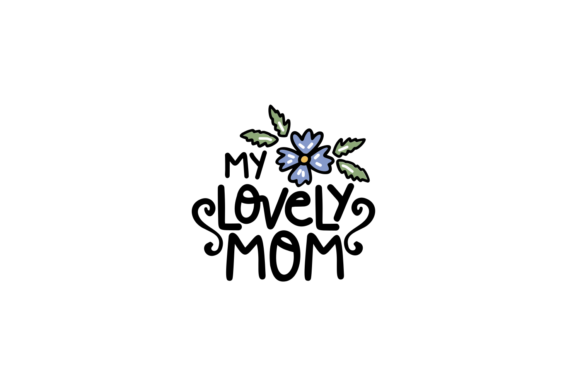
When evaluating a new machine embroidery design for my shop, I look past the digital preview and immediately imagine the tactile reality of the finished piece. My Lovely Mom strikes a specific chord that is essential for the personalized gift market. The typography and layout suggest warmth without being overly saccharine, which is a delicate balance to strike in the Crafts category. As a designer, I appreciate that the vector lines appear clean and intentional. This matters because when we translate Graphics into thread, every curve and corner must hold up under tension. The mood here is nostalgic yet modern, making it suitable for both traditional heirloom projects and contemporary boutique merchandise.
For an Etsy seller or small business owner, this design reads as versatile. It does not pigeonhole you into a single niche. Instead, it offers a foundation for various custom apparel and home decor items. My initial assessment suggests this would perform exceptionally well on mid-weight fabrics where the sentiment can be read clearly from a conversational distance. It feels like a design meant to be cherished, which directly influences the perceived value of your handmade product.
Real-World Application: Stitching a Custom Tote Bag
To truly understand how My Lovely Mom performs, I mentally walked through a recent client project involving a heavy canvas tote bag intended as a Mother’s Day gift. Canvas is unforgiving; it hides nothing. In this scenario, the design needs enough presence to stand out against the coarse fabric texture without becoming so dense that it creates a bulletproof patch of thread.
If using this as an applique design, the SVG cut file compatibility mentioned in the product description is a massive workflow advantage. Being able to cut the fabric shape precisely with a Cricut or Silhouette before hooping ensures crisp edges that a satin stitch can easily cover. For the tote bag application, I envision pairing the text with a subtle floral motif using a lighter fill stitch to add dimension without excessive bulk. The result is a professional tote bag design that feels high-end rather than crafty. Customers react positively to this level of intentionality because it signals that the maker considered the substrate, not just the image.
Sweatshirts and Apparel Considerations
Moving from canvas to knitwear changes the variables entirely. When planning sweatshirt embroidery with My Lovely Mom, stability is paramount. Knits stretch; thread does not. If the design features intricate script or tight spacing, you risk puckering or tunneling. I recommend testing the stitch density on a scrap of similar fleece first. The goal is a soft hand-feel. Nobody wants to wear a stiff chest plate. For baby embroidery specifically, you must ensure the back of the stitching is smooth against sensitive skin, potentially requiring a softer backing or tear-away stabilizer residue management.
Navigating Technical Constraints and Fabric Choices
Every embroidery file has its limits, and recognizing them prevents wasted materials and frustrated clients. While My Lovely Mom is visually appealing, certain applications require caution.
- Small Hoop Sizes: If resizing down for a 4x4 hoop or a cap frame, inspect the smallest elements. Tiny serifs or thin connecting lines in script fonts may turn into a tangled mess of running stitch errors. Always verify legibility at reduced scales.
- Textured and Pile Fabrics: On terry cloth towels or minky blankets, the design risks sinking into the pile. You will likely need a water-soluble topping to keep the stitches visible and defined.
- Stretchy Performance Wear: High-stretch activewear is generally risky for detailed text designs unless the digitizing specifically accounts for fabric movement. Stick to stable cottons, linens, and denim for the best results with this specific aesthetic.
- Dark vs. Light Backgrounds: Test thread colors against both. A design that pops on white might disappear on navy. Contrast is key for readability and visual impact in product photography.
Furthermore, if you are creating an embroidered patch, ensure the border definition is robust enough to survive cutting and merrowing. Detailed corners often fray if the satin column is too narrow. Practical judgment dictates simplifying those areas slightly for durability.
Commercial Viability and Brand Consistency
For the craft business owner, time is money. My Lovely Mom offers strong commercial potential because it targets an evergreen emotional connection. However, professionalism separates hobbyists from viable brands. Using this design across multiple products—perhaps matching holiday embroidery ornaments with everyday kitchen towels—creates brand consistency. Buyers trust shops that have a cohesive visual language.
When listing this as a small shop product, your presentation matters. Create a printable mockup or photograph the actual stitched sample in natural light. Digital previews are useful, but customers buy based on how they imagine holding the item. Show the drape of the fabric. Show the sheen of the thread. This builds buyer engagement and reduces return rates due to unmet expectations.
Important Licensing Note: Before selling finished goods or offering this as a digital embroidery file, you must confirm the specific license terms included with your purchase. The product description highlights compatibility with cutting machines like Brother Scan N Cut and Sizzix eClips, but commercial usage rights for embroidery are distinct from vinyl cutting rights. Protect your business by verifying what is permitted regarding commercial embroidery and resale of design assets.
The Professional Maker’s Checklist
Experience teaches us that assumptions lead to rework. Before committing My Lovely Mom to a final personalized gift or inventory run, adhere to this practical protocol:
- Verify File Compatibility: Ensure you have the correct embroidery format (PES, DST, JEF, etc.) for your machine, as the provided SVG is primarily for cutting. You may need to digitize or convert separately for embroidery use.
- Run a Physical Test: Never stitch directly onto a sellable item without a test run. Check registration, tension, and trim jumps.
- Audit Stabilizer Pairing: Match your backing to the fabric weight. Cut-away for knits, tear-away for wovens, and adhesive for hard-to-hoop items.
- Evaluate Washability: If the item is a tea towel or baby bib, wash and dry the test sample. Does the design distort? Do threads bleed? Durability equals customer satisfaction.
- Check Color Fastness: Ensure your chosen threads won't fade or run, especially for items destined for frequent laundering.
Ultimately, My Lovely Mom is a promising asset for makers who approach their work with technical respect and emotional intelligence. By understanding its behavior on different substrates and respecting the mechanics of stitch formation, you transform a simple graphic into a meaningful, high-quality finished product that honors both the recipient and your craftsmanship.