MY 1ST MOTHER S DAY: A Designer’s Embroidery Review
As a professional embroidery designer and product reviewer, I approach every new file with a critical eye. When evaluating MY 1ST MOTHER S DAY, my primary concern is not just how the graphic looks on a screen, but how it translates into thread on fabric. This design, marketed as a "partners in mom" concept, carries significant emotional weight. It targets a specific, high-value niche: new mothers celebrating their first milestone. For Etsy sellers, boutique owners, and makers, this isn't just a cute graphic; it is a potential bestseller for personalized gifts. However, the transition from a digital SVG cutting file to a professional machine embroidery design requires careful technical assessment to ensure the finished product meets customer expectations.
First Impressions and Emotional Resonance
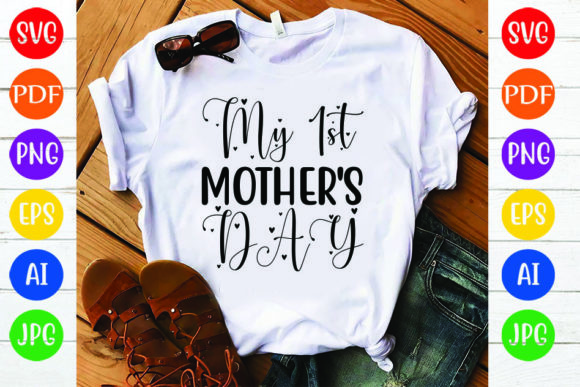
The visual personality of MY 1ST MOTHER S DAY strikes a balance between sentimental and playful. In the Crafts category, typography-driven designs often struggle to stand out, but this layout feels intentional. The phrase "partners in mom" suggests inclusivity and shared parenting, which broadens the appeal beyond traditional maternity wear. As a designer, I immediately see this working for modern families who want something less frilly and more relatable. The mood is celebratory yet grounded, making it suitable for both adult apparel and baby items. When reviewing Graphics for embroidery conversion, I look for clean lines and balanced spacing. This design appears to have the structural integrity needed for digitizing, avoiding the spindly serifs or disconnected elements that often cause thread breaks or registration issues during stitching.
Real-World Application: The Custom Sweatshirt Test
To truly evaluate this asset, I mentally placed it in a real-life production scenario: creating a custom embroidered sweatshirt for a new mother. Sweatshirts are a staple for small shop products and holiday embroidery sales, but they present unique challenges due to fleece texture and stretch. MY 1ST MOTHER S DAY needs to be legible against the nap of the fabric. If this were an applique design, the satin stitch border would need sufficient width to anchor securely into the fleece without sinking. If it is a straight stitch or fill stitch design, the stitch density must be adjusted to prevent puckering while maintaining coverage.
In this scenario, customer trust hinges on clarity. A new mom receiving this personalized gift wants to read the text instantly in photos. If the lettering is too thin or the contrast is poor, the emotional impact is lost. I envision pairing this design with a soft, neutral thread palette—perhaps a dusty rose or sage green on a cream sweatshirt—to enhance the handmade product aesthetic. This specific use case highlights why checking your embroidery file parameters before production is non-negotiable. The design must hold its shape after washing, as new parents frequently launder these items.
Technical Performance Across Different Substrates
Versatility is key for commercial embroidery assets. While the sweatshirt test is crucial, MY 1ST MOTHER S DAY must also perform on varied substrates common in craft business inventory.
- Tote Bag Design: Canvas tote bags are popular for hospital bags or diaper totes. The fabric is stable, making it ideal for detailed running stitch or redwork styles. However, ensure the design size fits within the printable area of standard hoops without distortion.
- Baby Embroidery: Onesies and bibs require extreme caution. The design area is small, and the fabric is stretchy knit. If using this for baby items, verify that the stitch count isn't too dense, which could create a stiff, uncomfortable patch on delicate skin.
- Embroidered Patch: Creating patches for resale is a smart move for digital product sellers. This design’s bold theme works well for twill-backed patches, provided the merrowed edge or satin border encapsulates all text elements cleanly.
- Kitchen Towels and Aprons: For functional items, durability matters. Ensure the stabilizer choice supports repeated washing. A tear-away might suffice for towels, but cut-away is safer for aprons to maintain design alignment over time.
Navigating Fabric Limitations and Hoop Constraints
Not every project is a guaranteed success. There are specific environments where MY 1ST MOTHER S DAY requires extra vigilance. Dark fabrics can be problematic if the design relies on fine details; without adequate underlay or contrast, the embroidery disappears. Similarly, highly textured fabrics like terry cloth or minky can swallow smaller lettering. In these cases, you may need to simplify the design or increase the overall size to maintain readability.
Hoop size compatibility is another practical consideration. Since the original description mentions compatibility with cutting machines like Cricut and Silhouette, users converting this to embroidery must manually verify dimensions. Do not assume the SVG scale matches your embroidery hoop. Always resize within your digitizing software rather than relying on machine resizing, which can distort stitch angles and density. For curved surfaces like caps, flat artwork often distorts. You may need to arc the text or adjust the pull compensation to account for the cap's curvature, ensuring the final embroidered patch looks professional rather than warped.
Designer Notes for Professional Results
Before listing any finished product or selling this as a digital embroidery file, adhere to these professional protocols:
- Test Stitch on Scrap Fabric: Never run a production piece first. Use the exact fabric and stabilizer combination intended for the final project. Check for gaps between outlines and fills, and ensure thread colors pop against the background.
- Verify Licensing and Formats: The product description specifies SVG for cutting machines. Confirm explicitly whether an embroidery format (PES, DST, JEF, etc.) is included or if you are purchasing the right to digitize it yourself. Respect intellectual property; ensure your license covers commercial embroidery sales if that is your intent.
- Mockup Validation: Create printable mockups in both black and white and color. This helps identify contrast issues before threading the needle. Compare how the design looks on light versus dark backgrounds to determine if multiple thread palettes are necessary for your shop.
- Stabilizer Selection: Match the stabilizer to the fabric weight. Lightweight knits need cut-away; woven cottons can often use tear-away. Proper stabilization prevents the "bulletproof" effect where dense stitching makes the garment unwearable.
- Detail Inspection: Zoom in on small corners and tight curves. If the original graphic has sharp interior angles, add tie-ins and tie-offs in your digitizing to prevent unraveling. Smooth out jagged vector lines to ensure fluid satin stitches.
Elevating Brand Value Through Quality Execution
Ultimately, MY 1ST MOTHER S DAY represents more than just a seasonal trend; it is a test of your craftsmanship. For Etsy sellers and creative entrepreneurs, the quality of this embroidery project directly influences buyer engagement and brand consistency. A crisp, well-executed design signals professionalism and justifies premium pricing. Conversely, poor registration or inadequate stabilizer choice devalues the handmade product and erodes customer trust.
By treating this design with technical respect and artistic intention, you transform a simple graphic into a cherished keepsake. Whether used for custom apparel, nursery decor, or boutique merchandise, the success lies in the details. Take the time to understand the interaction between thread, fabric, and file. Your customers are celebrating a monumental life event; your embroidery should honor that moment with flawless execution. Always prioritize testing and quality control to ensure that every stitch reflects the joy and significance of a first Mother’s Day.