Mom Design, Raising Rebels – A Bold Choice for Crafters and Embroidery Makers
First Impressions: Edgy, Playful, and Perfectly Themed
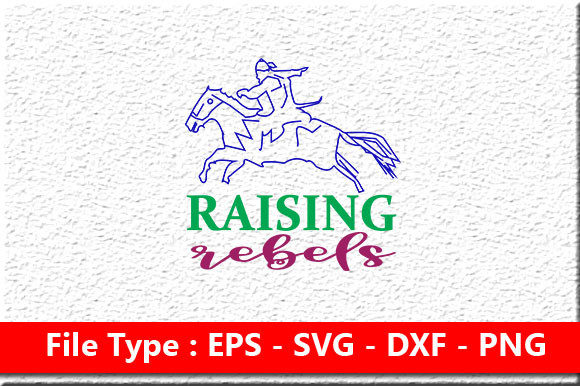
The moment I opened the Mom Design, Raising Rebels file set, I was struck by its confident, lighthearted tone. It’s not just a design — it’s an attitude. The layout is clean but expressive, with a central “Mom” motif surrounded by subtle, rebellious elements like stars, stripes, and stylized fonts. The theme is clearly aimed at modern moms who embrace the chaos and charm of raising spirited kids. Visually, it leans into a mix of vintage and contemporary styles, which makes it versatile for a wide range of handmade and embroidered products.
What stood out immediately was the balance between detail and simplicity. The design isn’t overly busy, which is a relief for embroidery designers who know how easily a cluttered layout can backfire during stitching. The font choice is legible without being too stiff — it has personality, but not at the expense of functionality.
Real-World Use: From Tote Bags to Sweatshirts
I decided to test Mom Design, Raising Rebels on a few real-life projects. First up: a custom embroidered tote bag for a boutique client. The design scaled well, maintaining clarity even when resized for a 5x7 hoop. The satin and fill stitches held up nicely, and the contrast between the lettering and the background elements gave it a polished look. It looked especially sharp in a two-tone thread combo — navy and gold — which gave the tote a boutique-style finish.
Next, I stitched it onto a sweatshirt for a personalized gift. The texture of the fleece backing was a bit of a concern, but with a medium-weight stabilizer, the design came out cleanly. The satin borders held their shape, and the inner details stayed crisp. It’s definitely a design that can work well on heavier fabrics, which is great for seasonal items like hoodies or baby blankets.
I also tried it on a baby onesie — a small space with high stakes. The design scaled down surprisingly well. I skipped some of the finer background elements to avoid overcrowding, and it still read clearly. For Etsy sellers and small shop owners, this kind of flexibility is gold — it means you can offer the same design across multiple product lines without having to create entirely new files.
Where to Use It — and Where to Be Careful
Mom Design, Raising Rebels shines on structured, stable fabrics. Tote bags, tea towels, pillow covers, and aprons are ideal canvases. It also works beautifully on boutique-style apparel and holiday gifts — especially when paired with a coordinating applique or border. For crafters and Etsy sellers, this design can easily become a seasonal staple, especially around Mother’s Day or as a personalized gift option year-round.
However, there are a few caveats. On curved surfaces like baseball caps, the design needs careful placement to avoid distortion. The same goes for stretchy fabrics like knits — the satin stitches can pucker if not stabilized properly. I’d also be cautious with dark fabrics unless you have a strong contrast thread palette. The fine inner details can get lost on black or navy without a white underlay or outline.
Another thing to watch: the small lettering in the background. On hoop sizes smaller than 4x4, those elements may not stitch clearly. If you’re targeting a small-batch line of keychains or baby hats, consider simplifying or omitting those parts to keep the design legible and professional.
Design Performance and Visual Impact
From a visual standpoint, this design brings a strong personality to any product. It’s the kind of embroidery that sparks conversation — which is great for Etsy sellers trying to build brand recognition. When stitched cleanly, it adds a level of polish and professionalism that elevates handmade items from “cute” to “market-ready.”
Stitch clarity is another win. The satin and fill stitches are well-placed, with minimal overlap that could cause thread buildup. I noticed no skipped stitches or tension issues during testing, which is a good sign for machine embroidery designers who rely on consistent results. The file also appears to be well-digitized, with smooth transitions between elements.
For gift buyers, this design hits the sweet spot between humor and heart. It reads as a statement piece — something that says, “I’m proud of my chaos.” That kind of emotional resonance can drive repeat purchases and word-of-mouth sharing, especially among customers who value personalized, meaningful handmade goods.
Practical Notes for Embroidery Designers and Sellers
- Test on scrap fabric first — especially if you’re using a new stabilizer or unfamiliar thread brand.
- Check thread color contrast — dark fabrics may require a white underlay to keep the design from blending in.
- Review stitch density — if the design feels too heavy for your fabric, adjust the fill settings slightly.
- Confirm hoop size compatibility — don’t assume it fits your standard hoop without checking the file dimensions.
- Inspect small details — especially if you’re scaling down for baby items or patches.
- Try black and white mockups — this helps visualize how the design will look in neutral color schemes or on minimalist products.
- Compare light and dark fabric backgrounds — some elements may need tweaking for optimal visibility.
- Use proper stabilizer — especially for stretchy or textured fabrics to avoid distortion.
- Confirm licensing — before selling finished items or digital embroidery files, make sure the design is approved for commercial use.
Final Thoughts: A Versatile, Market-Ready Design
As a designer and product reviewer, I appreciate when a design like Mom Design, Raising Rebels strikes the right balance between style and usability. It’s expressive without being overwhelming, detailed without being finicky, and bold without sacrificing clarity. Whether you're creating personalized gifts, boutique apparel, or embroidered patches for your small shop, this design has the versatility to fit right in.
For Etsy sellers and creative entrepreneurs, it’s the kind of design that can become a bestseller — especially when paired with the right product photography and branding. Just remember to test it thoroughly before launching it into your lineup. A little prep work goes a long way in ensuring your finished product looks as sharp as the design itself.