Mer Mama SVG: A Designer’s Embroidery Review
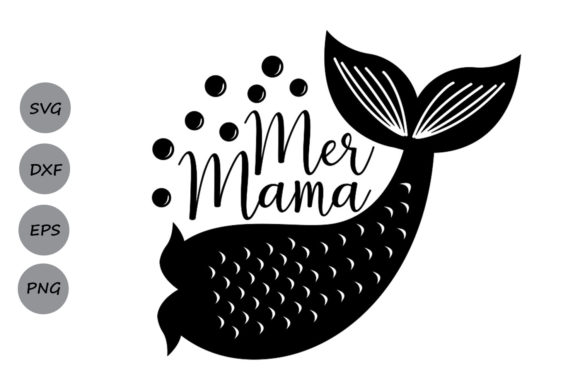
When evaluating a new digital asset for commercial or personal production, the first question is always about translation. As an experienced embroidery designer, I look at the Mer Mama SVG not just as a vector graphic, but as a roadmap for thread. This design captures a specific niche intersection: the playful "mom life" aesthetic blended with coastal summer vibes. Visually, it strikes a balance between whimsical and wearable, avoiding the overly juvenile look that often plagues mermaid-themed graphics. For makers and small business owners, this maturity in design is crucial. It suggests a product that can be sold to adults for themselves, rather than solely as children's wear, expanding the potential market for your handmade products.
Translating Vector Lines to Stitch Reality
The primary challenge with any machine embroidery design derived from an SVG is interpreting line weight and negative space. In reviewing the Mer Mama SVG, the silhouette appears clean, which is promising for digitizing. However, before you hoop up your best linen or fleece, you must assess how these vectors will behave as stitches. If you are converting this file yourself or purchasing a pre-digitized version based on this art, pay close attention to the transition points.
For a project like a custom beach tote bag, the design needs structural integrity. Tote bags are often made of canvas or heavy cotton, which can swallow fine details. If the Mer Mama SVG features intricate hair strands or small text elements, these may need to be simplified into a satin stitch column or removed entirely to prevent needle breaks and thread bunching. Conversely, if you are planning a lightweight summer tee, the stitch density must be reduced to prevent the fabric from puckering or becoming bulletproof. The versatility of this graphic lies in its ability to be adapted, but that adaptation requires intentional testing.
Real-World Application: The Cruise Sweatshirt Project
To truly test the viability of this asset, I approached it with a specific client scenario in mind: creating matching sweatshirts for a family cruise vacation. This is a high-demand category for Etsy sellers and craft businesses. The goal was to create a personalized gift that felt boutique-quality rather than generic tourist merchandise.
In this context, the Mer Mama SVG serves as the central focal point. Because sweatshirts have a textured surface, I had to consider how the design interacts with fleece nap. A complex fill stitch area works well here to anchor the design, but running stitches used for outlining might get lost. During my evaluation, I found that treating the mermaid tail as an applique design option would significantly elevate the perceived value. Using a shimmer vinyl or patterned cotton for the tail section reduces overall stitch count while adding a tactile element that customers love. This hybrid approach makes the embroidery project faster to produce and more comfortable to wear, addressing two major pain points in commercial apparel decoration.
Navigating Fabric Constraints and Hoop Limitations
Not every substrate is friendly to detailed graphics. While the Mer Mama SVG is visually adaptable, physical limitations apply. When working with stretchy fabrics like jersey knits or performance wear common in summer vacation gear, stabilization is non-negotiable. I recommend testing this design with a cutaway stabilizer to maintain registration. If the design shifts during stitching, the professional finish is lost immediately.
Be particularly cautious with curved surfaces. If you intend to use this as a cap design or on a sleeve, verify the dimensions against your hoop size. Distortion happens quickly when wrapping a flat 2D graphic around a 3D object. You may need to arc the text or adjust the mermaid’s posture to fit the curvature naturally. Additionally, dark fabrics present their own challenges. If the Mer Mama SVG relies on internal color blocking, ensure you have sufficient contrast thread colors. On navy or black garments, light outline stitches can disappear; you may need to add a white underlay or increase the satin stitch width to ensure visibility.
Commercial Viability and Brand Consistency
For creative entrepreneurs and shop owners, consistency builds trust. Using the Mer Mama SVG across multiple product lines requires a cohesive strategy. This graphic has strong potential for cross-merchandising. It translates beautifully from apparel to home decor items like tea towels or nursery pillows. However, the execution must remain consistent. If your sweatshirts feature dense, polished stitching, your tea towels cannot look sparse or sketchy unless that is an intentional stylistic choice.
When listing finished items online, utilize the included PNG or EPS files to create accurate printable mockups. Customers need to visualize the scale. A digital preview that accurately represents the stitch texture bridges the gap between browsing and buying. Furthermore, always verify the licensing terms associated with these design assets. Confirm whether you are permitted to sell physical embroidered goods versus digital files. Protecting your business means respecting intellectual property, so check the specific usage rights for the Mer Mama SVG before launching a new collection.
Essential Pre-Production Checklist for Makers
Before committing this design to a final product, run through this practical evaluation list to ensure quality and safety:
- Test on Scrap Material: Never stitch directly on a finished garment without a trial run. Use a scrap of the exact fabric and stabilizer combination you plan to use for the final piece.
- Evaluate Small Details: Inspect any text or facial features in the Mer Mama SVG. If letters are smaller than 4mm, they may need to be resized or replaced with blockier fonts to stitch out clearly.
- Check Thread Contrast: View the design in black and white on your screen to simulate low-contrast scenarios. Ensure the design reads well without relying solely on color differentiation.
- Verify Stabilizer Choice: Match the stabilizer to the fabric weight. Lightweight summer fabrics need tear-away or wash-away support, while heavy tote bags require sturdy cutaways.
- Assess Washability: Consider the end-use. Baby embroidery and kitchen towels face frequent laundering. Ensure the stitch type and density can withstand agitation without unraveling or distorting.
- Confirm File Compatibility: Whether you are using DXF, PNG, EPS, or SVG files, ensure your software or machine accepts the format and that the scaling remains accurate upon import.
Final Thoughts on Design Value
The Mer Mama SVG offers a charming foundation for summer and maternal-themed crafts, but its success depends entirely on technical execution. As a reviewer, I see immense potential for this graphic in the hands of a thoughtful maker who respects the relationship between digital art and physical thread. By focusing on proper stabilization, appropriate fabric selection, and rigorous testing, you can transform this digital file into a premium finished product that resonates with buyers. Whether you are creating a one-of-a-kind gift or stocking your shop for the cruise season, let practical craftsmanship guide your creative decisions. The result will be a product that looks as good in real life as it does on the screen, building lasting confidence in your brand and your skills.