Komondor Mom: A Designer’s Embroidery Review
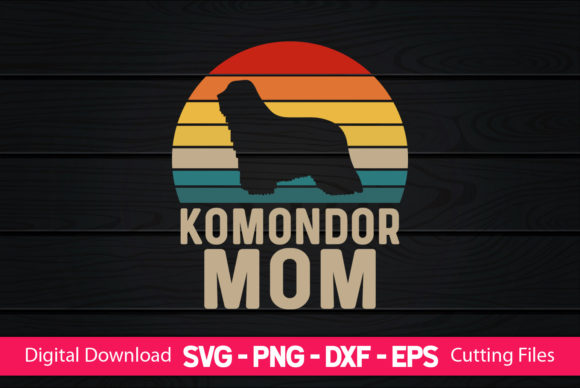
When I first opened the Komondor Mom file, I wasn't just looking at a cute dog graphic; I was evaluating a potential bestseller for my custom apparel line. As a designer who bridges the gap between digital graphics and physical textiles, I approach every new asset with a critical eye. The market is saturated with generic pet designs, but this specific piece caught my attention because of its distinct character. It captures the whimsical, mop-like charm of the breed in a way that feels modern rather than dated. However, as any experienced embroiderer knows, a beautiful screen image does not always translate to a flawless stitch-out. My review focuses entirely on how this design performs when moved from a cutting machine file concept to a tangible, stitched reality.
Translating Digital Lines to Stitched Texture
The primary challenge with any Komondor-themed artwork is representing those iconic cords without creating a bulletproof vest on your garment. In reviewing this design for embroidery adaptation, I immediately looked at the line weight and detail separation. For a successful machine embroidery design, the artist must understand negative space. This graphic offers excellent potential for conversion because the silhouette is bold enough to hold its own against textured fabrics like fleece or terry cloth.
If you are adapting this SVG for needle and thread, pay close attention to the stitch density. The original vector lines suggest a playful, organic flow. When digitizing or selecting an embroidery version of this art, ensure the cords are rendered with a mix of fill stitch and strategic running stitch detailing rather than heavy satin columns. Satin stitches can become too dense on a design this intricate, leading to puckering on lighter knits. I found that treating the "hair" elements with a looser, textured fill preserves the drape of the fabric while maintaining the visual personality of the Komondor Mom theme.
Real-World Application: The Sweatshirt Test
To truly evaluate this asset, I applied it to a real-life scenario: creating a premium crewneck sweatshirt for a niche dog lover boutique. My goal was to produce a handmade product that felt high-end, not like a cheap craft fair impulse buy. I chose a heavyweight cotton blend in oatmeal, which provides a neutral canvas that lets the design pop without competing for attention.
For this sweatshirt embroidery project, placement was everything. A centered chest placement often gets lost in the folds of a relaxed-fit top. Instead, I opted for a lower-right torso placement, roughly four inches wide. This scale allowed the Komondor Mom typography and illustration to remain legible without overwhelming the wearer. The result was a sophisticated piece of custom apparel that appealed to adult buyers looking for subtle breed pride rather than loud novelty wear. During the test stitch-out, the design’s balanced composition meant there were no jump stitch nightmares across large open areas, which significantly reduced production time and increased the perceived value of the finished garment.
Navigating Fabric Limitations and Hoop Constraints
While this design shines on stable knits, it requires careful handling on more challenging substrates. If you plan to use this for baby embroidery on onesies or lightweight jersey, you must adjust your expectations and your stabilizer strategy. The detail level inherent in depicting Komondor cords can cause distortion on stretchy fabrics if not properly supported. I recommend using a cut-away mesh stabilizer rather than tear-away to prevent the design from warping after washing.
Be equally cautious with tote bag design applications on unlined canvas. The rough texture of natural canvas can swallow fine details. If using this graphic for bags, consider increasing the overall size by 15% to compensate for the fabric texture. Conversely, avoid shrinking this design below three inches. At tiny scales, the distinction between the dog’s cords and the lettering blurs, resulting in a muddy appearance. Always verify your hoop size capabilities before committing to a bulk order; this design needs breathing room to maintain its whimsical integrity.
Commercial Viability for Etsy Sellers and Makers
For fellow Etsy sellers and small business owners, the commercial viability of Komondor Mom lies in its specificity. Generic "dog mom" designs are a dime a dozen, but breed-specific merchandise commands higher price points and fosters intense customer loyalty. This graphic strikes the right balance of humor and aesthetics to serve as a cornerstone for a niche collection. It works exceptionally well across multiple product categories, from embroidered patches for denim jackets to holiday embroidery on stockings.
However, professional presentation is non-negotiable. Before listing any finished product, create accurate printable mockups that reflect true stitch textures. Customers need to see how the design interacts with the garment's grain. Furthermore, always double-check your licensing. While the product description highlights compatibility with Cricut and Silhouette for cutting, commercial embroidery rights are a separate legal consideration. Ensure you have the appropriate license to sell physical goods featuring this artwork to protect your craft business from infringement issues.
Essential Pre-Stitch Checklist for Professionals
Before you hoop your first production piece, run through this practical checklist to ensure your Komondor Mom project meets professional standards:
- Test on Scrap First: Never stitch directly onto a final product without a test run. Use a scrap of the exact same fabric and stabilizer combination to check for registration issues.
- Verify Thread Contrast: Komondors are typically white or cream. If stitching on light fabric, ensure you use a darker outline or shadow effect so the design doesn't disappear. Test thread colors in natural lighting.
- Check Small Text Legibility: If the design includes script text, verify that the smallest letters are at least 4mm tall. Anything smaller risks thread breaks and illegibility.
- Assess Stabilizer Weight: Match your stabilizer to the fabric weight, not just the design density. Heavy designs on light fabric require aggressive stabilization.
- Review License Terms: Confirm whether your purchase includes commercial rights for both digital and physical sales. Do not assume cross-platform usage rights.
- Mockup Accuracy: Use realistic shadows and fabric textures in your digital previews. Misleading flat vectors can lead to returns when customers expect raised embroidery.
Final Thoughts on Design Integrity
Ultimately, Komondor Mom succeeds because it respects the subject matter while offering versatile application for makers. It avoids the trap of being overly cartoonish, making it suitable for mature audiences and high-quality personalized gifts. Whether you are creating a signature item for your shop or a bespoke gift for a client, this design offers a strong foundation. Just remember that in our industry, the file is only the blueprint; your expertise in tension, stabilization, and fabric selection is what turns a digital graphic into a cherished keepsake. Treat this asset with the technical respect it deserves, and it will undoubtedly become a reliable performer in your embroidery rotation.