Kai Ken Mom: A Designer’s Embroidery Review
As a professional embroidery designer and product reviewer, I approach every new digital asset with a critical eye toward its real-world application. When evaluating the Kai Ken Mom design, my primary focus is not just on the aesthetic appeal of the graphic itself, but on how it translates from a screen to a tangible, stitched reality. This review examines the design through the lens of a maker preparing for actual production, considering everything from stitch integrity to marketability for small business owners and Etsy sellers.
First Impressions and Visual Personality
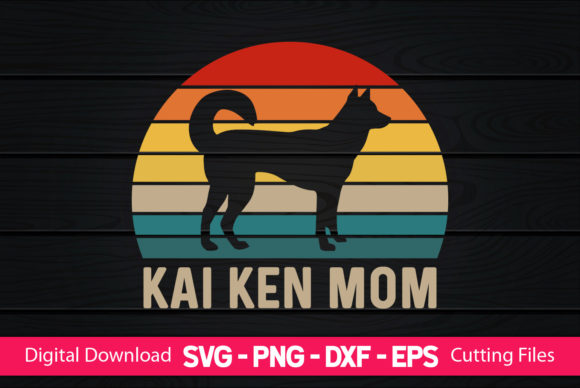
Upon opening the Kai Ken Mom file, the immediate impression is one of niche specificity and emotional resonance. The Kai Ken, or Tora Inu, is a rare Japanese breed known for its brindle coat and loyalty, making this design inherently valuable to a dedicated community of dog lovers. Visually, the artwork balances detail with clarity. For an embroidery project, this balance is crucial. Designs that are too intricate often suffer when converted to stitches, while those that are too simple can lack perceived value.
The layout suggests a strong center chest placement or a focused left-chest logo position. The typography integrated with the canine illustration feels organic rather than forced, which is essential for custom apparel. As a graphics asset, it carries a rustic yet refined mood that would pair exceptionally well with natural fabric textures like canvas, linen, or heavyweight cotton. It does not feel like generic clip art; it feels like a deliberate tribute, which significantly increases its potential as a personalized gift or boutique product.
Real-World Application: The Custom Sweatshirt Test
To truly judge this machine embroidery design, I mentally placed it in a specific production scenario: creating a premium crewneck sweatshirt for a client who owns a Kai Ken. This is a common request for craft businesses and requires careful consideration of fabric interaction.
Sweatshirt fleece is textured and prone to puckering if the stitch density is incorrect. In reviewing the potential performance of Kai Ken Mom on this substrate, I looked for areas where the design might fight the fabric. If the design utilizes heavy fill stitch areas for the dog’s brindle pattern, it will require adequate stabilizer to prevent distortion. However, if the designer has wisely used running stitch or satin stitch outlines to define the fur texture, the result will be softer and more wearable. This distinction defines whether the finished product feels like a stiff patch or a high-end garment decoration.
For this specific use case, the design serves as excellent commercial embroidery inventory. It targets a micro-niche where customers are often willing to pay a premium for breed-specific accuracy. Unlike generic "dog mom" designs, this speaks directly to an underserved market, making it a strategic asset for Etsy sellers looking to differentiate their handmade products.
Fabric Compatibility and Placement Strategy
While the design shows promise for apparel, versatility is key for maximizing return on investment for digital design assets. Here is how Kai Ken Mom performs across different mediums:
- Tote Bag Design: Canvas totes are forgiving and stable. This design would likely stitch out beautifully on unbleached canvas, allowing the thread colors to pop against the neutral background. It is an ideal candidate for craft fair products due to the speed of production and broad appeal.
- Baby Embroidery: Caution is required here. Baby clothes involve stretchy knits and delicate skin. If the design contains dense fill stitch sections, it may create a rigid spot that is uncomfortable for an infant. I would recommend testing a reduced size or modifying the density before committing to baby items.
- Embroidered Patch: The distinct shape and clear lines make this suitable for patch creation. Using a merrowed edge or satin stitch border could turn this into a standalone accessory for backpacks or jackets, expanding its utility beyond direct-to-garment stitching.
- Kitchen Towels and Aprons: These are staple items for holiday embroidery and personalized gifts. The design’s theme fits perfectly in a domestic setting, and the fabric stability of tea towels makes them a safe testing ground for new digitizing parameters.
Critical Considerations for Stitching Success
No digital embroidery file is without limitations, and professional judgment requires acknowledging where Kai Ken Mom demands extra attention. Small hoop sizes are the first constraint. If you are working with a 4x4 hoop, verify that the design has been optimized for that dimension. Shrinking a complex design to fit a small hoop often results in lost detail and thread breaks. Always confirm the native dimensions before purchasing or stitching.
Textured fabrics present another challenge. If you plan to use this on terry cloth or minky for blankets, you must use a water-soluble topping. Without it, the stitches will sink into the pile, and the beautiful details of the Kai Ken illustration will be lost. Similarly, dark fabrics require careful thread color selection. Since the product description highlights SVG and PNG formats for cutting machines, ensure you have the correct embroidery-specific file format (such as PES, DST, or JEF) for your machine. Do not assume a print-ready SVG is stitch-ready without proper conversion software.
Stretchy fabrics remain the most difficult variable. For performance wear or lightweight tees, a cut-away stabilizer is non-negotiable. Tear-away options often fail to support the weight of detailed animal portraits during washing. Testing on scrap fabric that matches your final project is the only way to guarantee professional results.
Enhancing Product Value and Customer Trust
The visual appeal of Kai Ken Mom directly impacts buyer engagement. In the crowded marketplace of digital product sellers and handmade shops, professionalism is signaled by clean registration and appropriate density. When a customer receives a sweatshirt where the text aligns perfectly with the graphic and the fabric lies flat, trust is established. Conversely, poor execution devalues the brand.
For those selling printable mockups or digital previews, ensure your presentation accurately represents the stitch texture. Customers need to understand they are buying a stitched item, not a printed transfer. High-quality photography of the actual embroidered sample builds confidence far better than a flat digital rendering. This transparency reduces returns and increases satisfaction for personalized gifts.
Practical Designer Notes for Implementation
Before adding Kai Ken Mom to your production queue, adhere to these professional best practices:
- Verify Licensing: The product description mentions files for Cricut and Silhouette. Clarify whether the license covers commercial embroidery of finished products or only personal use. Never assume commercial rights for small shop products without explicit confirmation.
- Test Stitch Density: Run a test on scrap fabric. Check the back of the embroidery; excessive bobbin thread showing on top indicates tension issues or density problems specific to your machine and thread combination.
- Evaluate Contrast: Test the design in black and white mockups to ensure the values hold up without relying solely on color differentiation. This ensures readability on various garment shades.
- Check Small Details: Inspect tiny lettering or facial features. If they are smaller than 6mm in height, they may need to be simplified or removed to prevent bird-nesting during production.
- Stabilizer Selection: Match your stabilizer to the fabric weight, not just the design size. Heavier designs on lighter fabrics require stronger support systems.
Ultimately, Kai Ken Mom represents a specialized opportunity within the Crafts and Graphics category. Its success depends entirely on the maker's willingness to respect the technical requirements of machine embroidery. By approaching this design with practical caution and creative intention, you can transform a digital file into a cherished, high-value finished product that resonates deeply with its intended audience. Whether for a custom apparel line or a heartfelt personalized gift, the design holds significant potential when executed with professional care.