Jack-a-Poo Mom: A Designer’s Embroidery Review
As a professional embroidery digitizer and product reviewer, I approach every new graphic with a specific question: will this translate beautifully from screen to stitch? When evaluating the Jack-a-Poo Mom design, my focus shifts immediately from its digital appearance to its practical application in real-world projects. This isn't just another cute dog mom graphic; it is a potential bestseller for Etsy sellers and small shop owners who understand that niche specificity drives sales. The intersection of Crafts and Graphics requires a keen eye for detail, and this design offers a unique opportunity to create high-value personalized gifts for a very passionate demographic.
First Impressions and Visual Personality
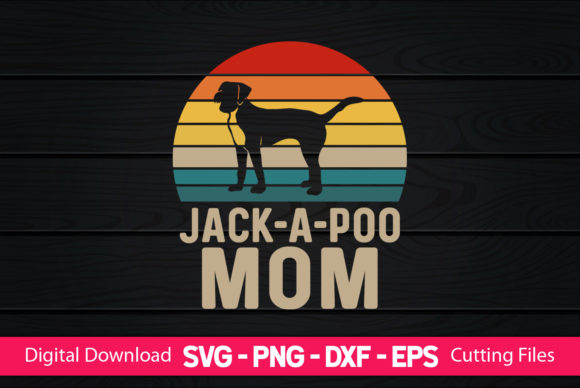
My initial assessment of Jack-a-Poo Mom reveals a design that balances whimsy with readability. The silhouette captures the distinct wiry texture and expressive face characteristic of the Jack Russell Poodle mix. For an embroidery designer, this is crucial. Generic dog outlines often fail because they lack breed-specific recognition. This file, however, possesses enough visual personality to be instantly recognizable to owners of this specific crossbreed. The layout feels balanced, suggesting it would work exceptionally well as a centered chest placement on sweatshirt embroidery or as a primary focal point on a tote bag design.
The mood is undeniably affectionate yet modern. It avoids the overly cloying aesthetic that can sometimes alienate buyers looking for sophisticated handmade products. As a digital embroidery file intended for cutting machines like Cricut and Silhouette, the vector lines appear clean, which usually translates well when converting to stitches. However, as any experienced maker knows, a print-ready SVG is only the starting point for needlework. The true test lies in how those curves and details interact with fabric texture and thread tension.
Real-World Application: The Custom Sweatshirt Test
To truly evaluate this asset, I mentally placed it into a current client scenario: creating a custom apparel line for a local dog rescue fundraiser featuring mixed breeds. We needed a design that could be stitched on mid-weight cotton fleece sweatshirts. Jack-a-Poo Mom stood out as a strong candidate for this commercial embroidery project.
In this context, the design serves as more than just decoration; it acts as a conversation starter and a badge of identity. For a craft business, offering breed-specific items like this significantly increases perceived value over generic "dog lover" merchandise. When stitching this on fleece, I would anticipate using a combination of fill stitch for the body to mimic the scruffy coat and satin stitch for any textual elements or fine facial features. The success of this embroidery project hinges on maintaining the integrity of the dog's expression. If the eyes are too dense or the ears lack definition, the charm is lost. Based on the graphic's proportions, it appears scalable enough to retain clarity at a 4x4 inch size, making it versatile for both adult sweatshirts and smaller baby embroidery projects like onesies or bibs.
Navigating Fabric Challenges and Technical Constraints
While the design shows promise, experienced embroiderers must exercise caution regarding where and how Jack-a-Poo Mom is applied. Not all fabrics are created equal, and this design’s likely detail level demands respect for stabilizer protocols.
- Stretchy Knits: If applying this to thin jersey or performance wear, a cut-away stabilizer is non-negotiable. The design’s shape requires stability to prevent puckering around the edges.
- Textured Fabrics: On terry cloth towels or nubby canvas tote bags, the finer details of the Jack-a-Poo’s face may get lost. In these cases, I recommend testing a running stitch outline first or adding a topping to keep the stitches crisp.
- Dark Fabrics: Contrast is king. Before committing to a navy or black sweatshirt, verify that your thread colors provide sufficient pop. White or cream thread on dark fabric can sometimes look gray if the stitch density is too low.
- Curved Surfaces: While excellent for flat garments, use extreme care if attempting this as an embroidered patch for caps. The aspect ratio may need adjustment to fit the curved brim area without distorting the dog’s proportions.
Furthermore, because this is marketed primarily as a digital file for cutting machines, users must verify the licensing and technical specs before assuming it is plug-and-play for embroidery machines. Always check if a dedicated machine embroidery design version exists or if you will be tracing the SVG yourself. If tracing, pay close attention to stitch density settings to avoid bulletproof patches that are uncomfortable to wear.
Commercial Viability and Brand Consistency
For Etsy sellers and creative entrepreneurs, Jack-a-Poo Mom represents a strategic asset. Niche pet designs consistently outperform broad categories because they target emotional connections. A customer searching for "Jack-a-Poo gifts" is far more likely to convert than one browsing "dog shirts." Using this design allows for highly targeted printable mockups and listing optimization.
However, professionalism dictates consistency. If you use this design for a holiday embroidery collection, ensure it matches the stylistic weight of your other seasonal graphics. Does it pair well with your existing font library? Is the line weight consistent with your brand’s aesthetic? Buyers trust shops that look cohesive. Additionally, consider the giftability factor. This design naturally lends itself to personalized gifts where the owner’s name or the dog’s name is added beneath the graphic. Ensure there is adequate negative space in the layout to accommodate custom text without crowding the central image.
Essential Pre-Stitch Checklist for Makers
Before loading Jack-a-Poo Mom into your machine or listing a finished product in your small shop, run through this practical evaluation protocol. Skipping these steps is the difference between a hobbyist result and a professional-grade commercial embroidery piece.
- Verify File Compatibility: Confirm whether you have received an actual embroidery file format (PES, DST, JEF) or if you are working solely with the SVG/PNG for vinyl or sublimation. Do not assume interchangeability.
- Test Stitch on Scrap: Never stitch directly on a final product first. Use a scrap of the exact fabric and stabilizer combination you intend to sell. Check for registration issues between color changes.
- Evaluate Small Details: Inspect the eyes, nose, and paw pads after the test run. Are they distinct? Do they hold up after washing? Tiny details often disappear or pull holes in lightweight fabrics.
- Check Licensing Terms: Since the description mentions digital files for cutting machines, explicitly confirm if commercial embroidery rights are included. Protect your business by understanding what you can and cannot sell.
- Mockup Validation: Create a realistic mockup showing the design on the actual garment type. Digital previews should accurately represent the stitched texture, not just the flat vector art, to manage customer expectations.
Final Thoughts on Design Utility
Jack-a-Poo Mom holds significant potential for makers who treat it with technical respect. It bridges the gap between adorable niche content and viable commercial product. Whether you are creating a heartfelt holiday gift for a fellow dog enthusiast or building a capsule collection for your online store, the key to success lies in execution. By understanding the interplay between the graphic’s inherent style and the physical realities of thread and fabric, you transform a simple digital download into a cherished, tangible item. Always prioritize test stitching and material compatibility, and this design can become a reliable staple in your embroidery repertoire.