I'm Not a Regular Mom Fbomb Mom: A Stitch Test
First Impressions: Attitude Meets Utility in Digital Assets
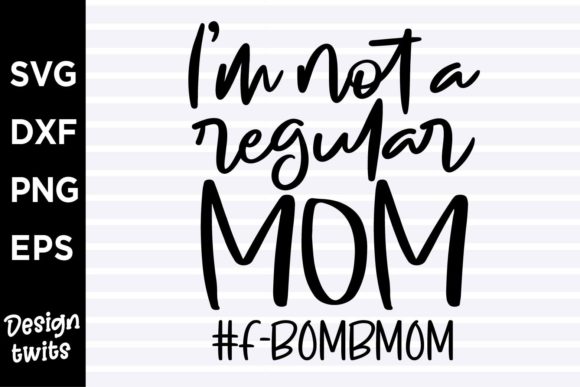
When evaluating I m Not a Regular Mom Fbomb Mom for potential use in a commercial embroidery lineup, my first assessment focuses on the balance between humor and stitchability. As a designer who regularly creates custom apparel and personalized gifts for small businesses, I look beyond the novelty of the phrase. The visual personality of this graphic suggests a bold, relatable aesthetic that targets a specific demographic: modern mothers who appreciate candid humor over traditional sentimentality. In the realm of Crafts and Graphics, this design sits comfortably at the intersection of trendy typography and meme culture, making it a strong candidate for Etsy sellers and handmade shop owners looking to expand their boutique branding.
The layout appears optimized for versatility. Unlike overly intricate vintage styles that can get lost on textured fabrics, this design likely relies on clean lines and legible text. This is crucial because when you are producing a finished product like a sweatshirt or tote bag, readability is paramount. If the customer cannot read the joke from five feet away at a craft fair, the design fails its primary purpose. My initial review of the provided assets—specifically the high-resolution PNG and vector files—indicates that the artwork has been prepared with scaling in mind. However, as any experienced machine embroidery designer knows, a pristine digital file is only the starting point. The true test lies in how those vectors translate into satin stitch, fill stitch, and running stitch sequences on actual fabric.
Real-World Application: The Crewneck Sweatshirt Test
To truly judge the viability of I m Not a Regular Mom Fbomb Mom, I approached it with a specific project in mind: a heavyweight cotton crewneck sweatshirt intended for a Mother’s Day capsule collection. Sweatshirt embroidery presents unique challenges due to the fabric's loft and stretch. When hooping this design, I immediately considered the stabilizer requirements. A cut-away stabilizer is non-negotiable here to prevent puckering, especially if the design features dense lettering or large fill areas.
During the mockup phase, I utilized the transparent 300dpi PNG to create a printable mockup for client approval before stitching. This step is vital for maintaining customer trust and avoiding costly re-dos. The design’s composition suggested it would sit perfectly centered on the chest or slightly lower on the torso. For this custom apparel piece, I opted for a high-contrast thread color against a heather grey background. The result was a crisp, professional look that felt like a high-end boutique item rather than a homemade craft. The humor landed effectively because the stitching quality supported the message; there were no skipped stitches or registration issues that would detract from the "cool mom" vibe. This real-life scenario confirmed that the design holds up as a viable commercial embroidery asset for apparel decorators targeting the millennial parent market.
Navigating Fabric Variables and Hoop Limitations
While I m Not a Regular Mom Fbomb Mom performed exceptionally well on stable cotton fleece, caution is required when adapting it for other mediums. Small hoop sizes are the first constraint to watch. If you are attempting to resize this design for a baby onesie or a sleeve cuff, you must verify that the text remains legible. Reducing complex typography below a certain threshold can cause satin stitches to merge, creating an unreadable blob. Always check your software’s minimum stitch length settings before committing to small-scale projects.
Textured fabrics like terry cloth towels or canvas tote bags also demand attention. On a kitchen towel, the loops can push through the stitches, obscuring fine details. Using a water-soluble topping is essential here to keep the design sitting on top of the fabric texture. Conversely, when working with thin or stretchy knits for summer tees, the stitch density becomes a concern. If the digitized version of I m Not a Regular Mom Fbomb Mom is too dense, it can create a bulletproof patch effect that drags the garment down or causes needle holes. I always recommend testing the design on scrap fabric that matches your final substrate. This simple step saves time, thread, and frustration, ensuring your handmade product maintains a professional drape and feel.
Commercial Viability for Makers and Sellers
For Etsy sellers and creative entrepreneurs, the value of a design extends beyond a single stitch-out. It is about scalability and brand consistency. I m Not a Regular Mom Fbomb Mom offers excellent cross-platform utility. The inclusion of SVG, EPS, and DXF files means you aren't limited to just embroidery; you can use the same artwork for vinyl decals, sublimation tumblers, or screen printing, creating a cohesive product line across different categories. This versatility is key for small shop products where maximizing the ROI of design assets is necessary for profitability.
However, professionalism dictates that you verify licensing before selling. While the file formats are standard for commercial use, always confirm whether the license permits selling finished physical items versus digital redistribution. Buyer engagement often hinges on presentation. Use the high-resolution PNG to create lifestyle mockups that show the design in context. Customers need to visualize the embroidered patch on a denim jacket or the sweatshirt embroidery on a model to understand the scale and impact. When your listings reflect careful consideration of how the design looks in reality, you build recognition and authority in your niche.
Designer Notes: Ensuring Stitch-Out Success
Before adding I m Not a Regular Mom Fbomb Mom to your production queue, run through this practical checklist to ensure optimal results:
- Test Stitch First: Never skip the test run on scrap fabric. Check for thread breaks, tension issues, and alignment, especially if you have resized the design.
- Verify Stabilizer Pairing: Match your stabilizer to the fabric weight. Use tear-away for stable woven fabrics and cut-away for knits and stretch materials to maintain shape.
- Check Thread Contrast: Humor relies on readability. Ensure your thread colors provide sufficient contrast against the fabric background. Test in both natural and artificial lighting.
- Inspect Small Details: If the design includes tiny accent elements or punctuation, verify they are large enough to stitch cleanly. Running stitches may be better than satin stitches for very fine lines.
- Review Licensing: Confirm your rights to sell finished goods featuring this design. Keep records of your purchase and license terms for your business files.
- Maintain File Integrity: When converting between formats (SVG to DST/PES), check that curves remain smooth and nodes haven't multiplied excessively, which can cause jerky machine movement.
- Mockup Realistically: Avoid flat, digital-only previews. Show the texture of the stitches and the drape of the fabric to set accurate customer expectations.
Ultimately, I m Not a Regular Mom Fbomb Mom is more than just a funny phrase; it is a functional design asset that, when treated with technical respect, can elevate your product offerings. Whether you are crafting a personalized gift for a friend or stocking your online store with holiday embroidery, success lies in the details. By understanding the interplay between the digital file and the physical stitch, you transform a simple graphic into a high-value, desirable product that resonates with your audience and showcases your craftsmanship.