49 Mom Cutting Files: A Designer’s Embroidery Review
As a professional embroidery designer and product reviewer, I approach every new digital asset with a critical eye. When evaluating the 49 Mom Cutting Print Ready Files, my primary concern is not just how the graphics look on a screen, but how they translate into tangible, stitched reality. For fellow Etsy sellers, apparel decorators, and creative entrepreneurs, the bridge between a digital vector and a finished handmade product is where reputation is built or broken. This collection offers a substantial volume of assets, but understanding their practical application in machine embroidery is essential for commercial success.
First Impressions and Visual Personality
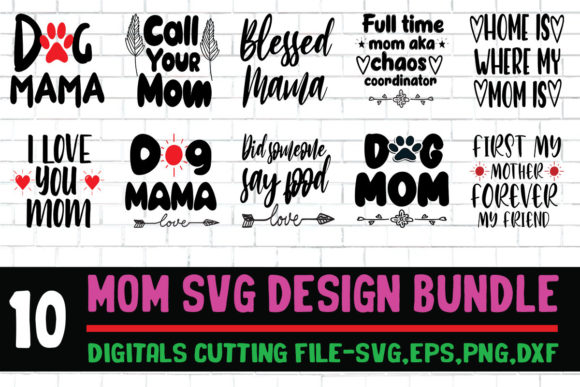
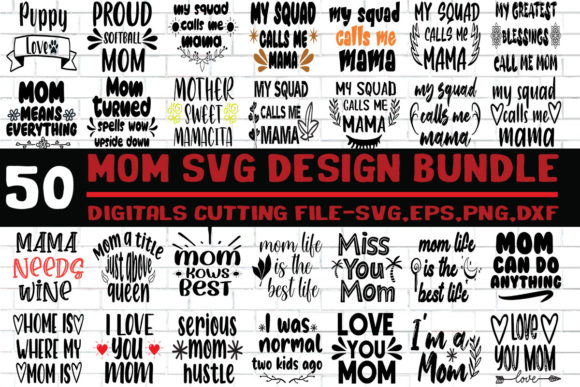
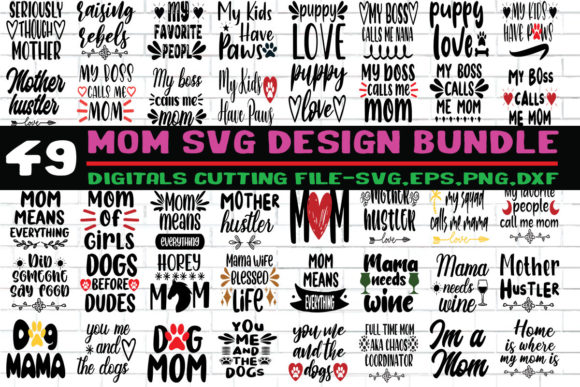
Upon extracting the zip file containing 49 SVG files, 49 transparent PNGs, 49 EPS files, and 49 DXF files, the immediate takeaway is versatility. The "Mom" theme is a perennial bestseller in the crafts category, but market saturation means your execution must be superior. These graphics possess a clean aesthetic that suggests they were created with production in mind. The lines appear distinct rather than sketchy, which is a crucial indicator for digitizing potential. When I assess design assets for embroidery, I look for shapes that can support satin stitch borders without excessive underlay, and fill areas that won’t cause fabric puckering. The visual personality here strikes a balance between sentimental and modern, making it suitable for both boutique branding and personalized gifts.
Real-World Application: The Custom Sweatshirt Test
To truly evaluate these files, I mentally applied them to a current client request: a line of premium crewneck sweatshirts for a Mother’s Day pop-up shop. In this scenario, the 49 Mom Cutting Print Ready Files serve as the foundational artwork. Because sweatshirt fleece has a textured surface and significant stretch, the choice of graphic dictates the stabilizer strategy and stitch type.
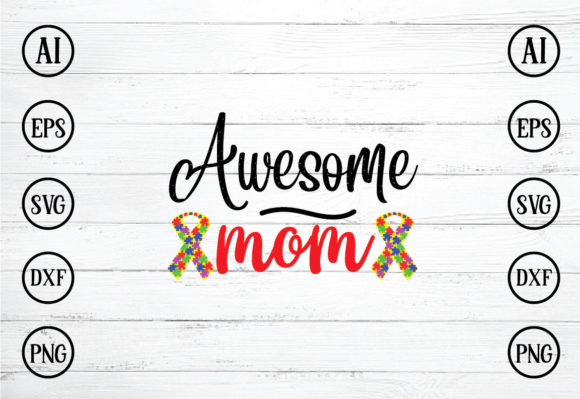
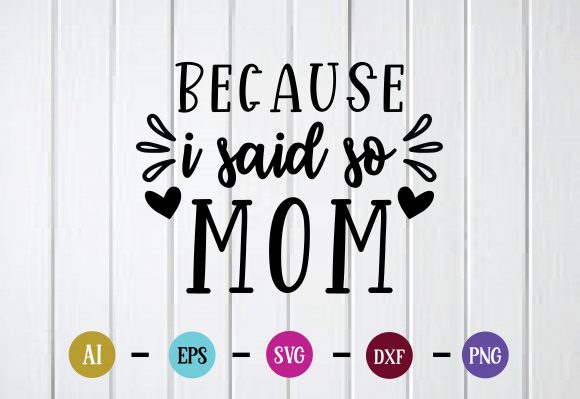
I selected a design from the set featuring bold, interconnected lettering paired with a simple floral accent. For this custom apparel project, the transparency of the PNG files allowed me to instantly visualize placement on heather grey fabric using printable mockups before committing to stitching. The SVG format provided crisp vectors that imported cleanly into my digitizing software. This workflow is vital for small business owners who need to minimize waste. The design’s open spacing suggested it would perform well as an applique design or a low-density fill stitch, preventing the "bulletproof vest" effect that ruins the drape of a garment. Customers react positively to embroidery that feels soft against the skin, and these graphics have the structural integrity to support lighter stitch densities while maintaining legibility.
Navigating Fabric Variables and Hoop Constraints
While the collection is robust, experienced makers know that no single design works universally across all substrates. When utilizing these graphics for baby embroidery or delicate nursery decor, caution is required. Thin fabrics like cotton voile or lightweight jersey demand careful attention to stitch density. If you convert these cutting files into dense satin stitch designs without adjusting for the material, you risk perforating the fabric or causing severe distortion.
Furthermore, consider the hoop size limitations. Some of the more elaborate compositions in this 49-file set may require resizing for standard 4x4 hoops commonly used for patches or baby items. Always verify the dimensions after import. For curved surfaces like caps, intricate corners or tiny lettering within these graphics might need simplification. Caps present unique challenges due to the cylindrical shape and heavy buckram backing; running stitch details that look perfect on a flat tote bag design may disappear or tunnel on a hat. Similarly, when working with dark fabrics, ensure the design allows for adequate contrast. White thread on navy fleece reads differently than white thread on black cotton, and testing on scrap fabric is non-negotiable.
Elevating Product Value and Brand Consistency
For Etsy sellers and handmade shop owners, consistency builds trust. Using a cohesive set like the 49 Mom Cutting Print Ready Files allows for brand uniformity across diverse products. Imagine offering a matching set comprising a mom sweatshirt, a matching baby onesie, and a coordinating tea towel. The ability to pull from the same graphic library ensures that the font weights, line styles, and overall mood remain consistent. This professionalism justifies higher price points and encourages bundle purchases.
The inclusion of EPS and DXF formats alongside SVG and PNG is particularly valuable for commercial embroidery businesses that use varied software ecosystems. Whether you are creating embroidered patches for resale or designing digital embroidery files for other hobbyists, having print-ready vectors ensures scalability without pixelation. High-quality visuals also enhance your online listings. Clear, sharp mockups derived from these transparent PNGs help buyers understand exactly what they are purchasing, reducing return rates and increasing buyer engagement.
Essential Designer Notes for Safe Production
Before listing any finished product or selling digital derivatives, adhere to these practical guidelines:
- Verify Licensing: Confirm whether your purchase includes commercial rights for selling physical embroidered goods versus digital files. Never assume usage terms; check the specific license provided with the download.
- Test Stitch-Outs: Always run a test on the exact fabric and stabilizer combination intended for the final project. Check thread color contrast and inspect small details for clarity.
- Assess Stabilizer Needs: Stretchy knits require cut-away stabilizer, while woven tote bags may only need tear-away. The right foundation prevents registration issues.
- Mockup Validation: Use the transparent PNGs to create realistic previews, but always compare light and dark fabric backgrounds to ensure visibility.
- Digitizing Adjustments: Remember these are cutting/print files, not pre-digitized embroidery files. You must add appropriate underlay, pull compensation, and tie-ins during the digitizing process.
- Washability Check: If creating kitchen towels or baby items destined for frequent laundering, avoid overly long satin stitches that could snag. Opt for durable fill stitches or reinforced applique edges.
Final Thoughts on Creative Utility
The 49 Mom Cutting Print Ready Files represent a significant asset for the serious crafter or entrepreneur. They provide the raw visual material necessary for everything from holiday embroidery projects to everyday boutique merchandise. However, the true value lies in your technical interpretation. By respecting fabric physics, testing rigorously, and leveraging the multiple file formats for efficient workflow, you transform simple graphics into high-value, cherished keepsakes. Whether you are embellishing aprons, personalizing pillow covers, or building a comprehensive Etsy catalog, these designs offer the flexibility needed to execute professional results. Just remember: in embroidery, the digital file is merely the blueprint; your expertise in stabilization, tension, and substrate selection is what builds the house.